
What Kind of Material is Polyester Fiber?
Aug. 15, 2025
Polyester fiber is one of the most widely used textiles in the world today, found in everything from clothing and upholstery to industrial applications. Known for its strength, versatility, and cost-effectiveness, it has become a staple for both mass-market and performance-driven products. For buyers and product developers, understanding what polyester fiber is—and why it performs the way it does—can help in making smarter sourcing decisions.
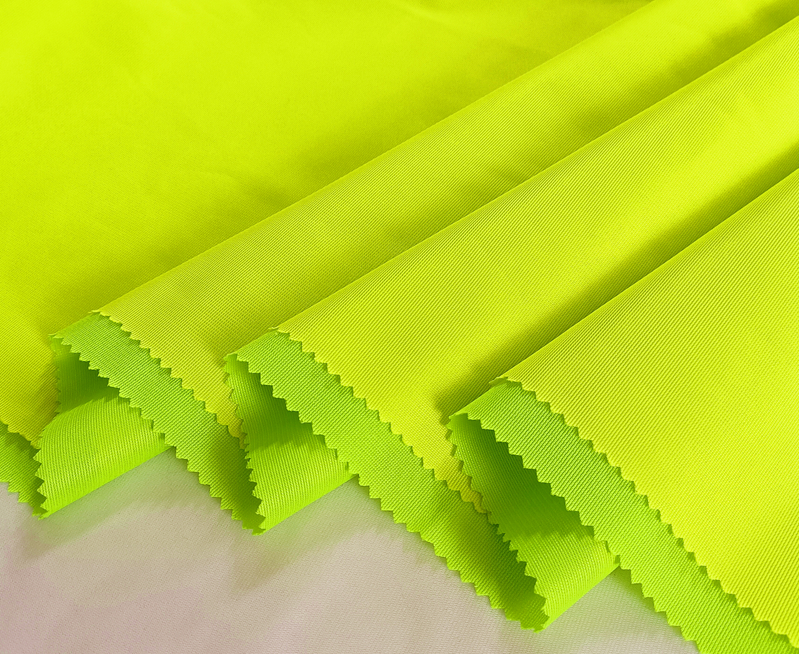
What Exactly Is Polyester Fiber?
Polyester fiber is a synthetic fiber derived from petrochemical sources, primarily from a chemical reaction between purified terephthalic acid (PTA) and monoethylene glycol (MEG). This reaction creates a polymer called polyethylene terephthalate (PET), which is then extruded into fine filaments and spun into yarns.
While “polyester” is often used to refer to fabrics, polyester fiber is the raw textile filament that can be woven or knitted into a variety of materials. Its molecular structure gives it a unique balance of durability, wrinkle resistance, and shape retention.
Core Properties of Polyester Fiber
The appeal of polyester fiber lies in its performance characteristics. Here are some of its most important properties:
1. Durability
Polyester fiber has high tensile strength, meaning it can withstand stretching, pulling, and repeated use without losing shape. This makes it suitable for applications like sportswear, work uniforms, and outdoor gear.
2. Wrinkle Resistance
Unlike natural fibers such as cotton or linen, polyester resists creasing. This property reduces the need for ironing and keeps garments looking fresh even after extended wear.
3. Moisture Resistance and Quick Drying
Polyester fibers are hydrophobic—they don’t easily absorb water. This allows fabrics made from polyester to dry quickly, making them ideal for activewear and outdoor apparel.
4. Color Retention
Polyester holds dye well, ensuring vibrant colors that don’t fade easily, even after repeated washing or sun exposure. This is especially important for fashion brands and upholstery manufacturers.
5. Shape Stability
Thanks to its thermoplastic nature, polyester retains its original form well. This prevents sagging or stretching over time, a key factor for upholstery, home textiles, and fitted garments.
6. Versatility
Polyester can be made into a variety of textures, from silk-like satin to coarse, heavy-duty fabrics. Blending polyester with other fibers—like cotton, wool, or spandex—can enhance its feel, drape, and performance.
Types of Polyester Fiber
Polyester fiber comes in several forms, each suited to different applications:
- Filament Polyester: Continuous, smooth fibers used in silky or shiny fabrics.
- Staple Polyester: Short fibers spun into yarn, creating a softer, more natural feel.
- High-Tenacity Polyester: Strengthened fibers for industrial uses like ropes, seat belts, and geotextiles.
- Textured Polyester: Fibers treated for increased volume, stretch, and comfort.
Advantages and Limitations
Advantages:
- Long-lasting performance
- Easy care and low maintenance
- Resistant to shrinking and stretching
- Cost-effective for large-scale production
- Good weather and abrasion resistance
Limitations:
- Less breathable compared to natural fibers
- Can retain odors if not treated
- Derived from petrochemicals, raising sustainability concerns
For many buyers, the solution lies in high-quality polyester fiber production with advanced finishing techniques that improve breathability, odor resistance, and eco-friendliness.
Why Buyers Choose Polyester Fiber
Fabric buyers and product developers often turn to polyester fiber because it offers predictable performance at scale, whether the goal is to produce 10,000 units of sports jerseys or a custom-engineered fabric for outdoor tents. Polyester’s consistency in weight, structure, and color makes planning and manufacturing more reliable.
Common buyer priorities include:
- Batch consistency: Avoiding variation in GSM (grams per square meter) and dye lot color.
- Customization options: Adjusting denier, texture, or blending ratios for specific applications.
- Supply stability: Ensuring on-time delivery for large orders.
- Technical compliance: Meeting international textile standards for safety and quality.
Polyester Fiber in Key Industries
Polyester fiber’s versatility makes it a preferred choice across multiple sectors:
- Fashion and Apparel: From fast fashion to high-performance sportswear.
- Home Textiles: Curtains, upholstery, carpets, and bedding.
- Outdoor Gear: Tents, sleeping bags, backpacks, and ropes.
- Industrial Use: Conveyor belts, safety harnesses, and filtration fabrics.
Partnering with a Reliable Supplier: QicaiKnitting
For buyers seeking high-quality polyester fiber fabrics, manufacturing capability and technical expertise are crucial.
QicaiKnitting is a comprehensive enterprise specializing in the research, design, and production of premium polyester fabrics, including warp-knitted mesh and functional textiles. Equipped with over 10 advanced warp knitting machines and 17 optoelectronic stop-motion systems, QicaiKnitting ensures:
- Stable production quality for consistent fabric performance
- Customizable polyester fiber fabrics for different end uses
- Efficient lead times for both small-batch and bulk orders
- Innovation backed by core patent technologies
Whether your market demands breathable sports mesh, durable upholstery, or specialized industrial fabrics, QicaiKnitting delivers tailored solutions that align with your product vision and performance needs.
Final Thoughts
So, what kind of material is polyester fiber? In short, it’s a synthetic, highly versatile textile fiber engineered for strength, shape retention, and ease of care. Its adaptability across industries, combined with cost efficiency, makes it a cornerstone of modern textiles.
For brands and buyers looking for dependable supply and customization, QicaiKnitting offers the expertise and technology to deliver polyester fabrics that meet the highest standards—ensuring your products perform as intended, batch after batch.