
Which Tent Material Is Best?
Oct. 24, 2022
At Qicai knitting, we take fabrics seriously, knowing that intended use, construction and design also play a key role in performance. A poorly designed quality fabric will never reach its potential.
Well, we would love a waterproof/breathable thermal tent fabric that is strong, lightweight and reasonably priced.
There are various reasons for this. Firstly, many fabric manufacturers will not sell waterproof/breathable fabrics for use in tents (other than tents). Secondly, what makes it waterproof and breathable usually makes it heavier and weaker. Thirdly, the cost of these fabrics is very high and a comfortable size winter camping hot tent uses a lot of fabric which can add significantly to the cost.
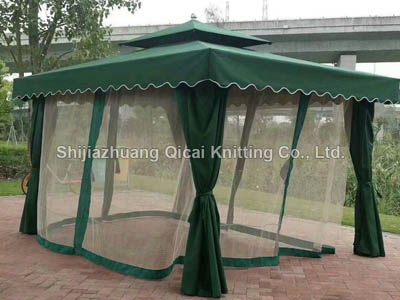
Leisure Tent Mesh Fabric
Finally, it is easier, lighter and cheaper to do things the way they have been done, i.e. single or double walled tent designs with good ventilation. If it is well ventilated then waterproof/breathable fabrics will become obsolete due to cost.
At Qicai knitting, we are proud to offer a variety of special polyester hex mesh to meet all your needs. The textile is made of knitted fabric and lightweight design.
Which tent material is best?
Generally speaking, the best tent fabric will protect the interior while withstanding the weather. You don't have to worry about a lot of precipitation soaking through and getting wet with this fabric. It should also help you stay warm at night by trapping as much heat as possible. However, the fabric should be breathable enough to prevent the tent from becoming too stuffy.
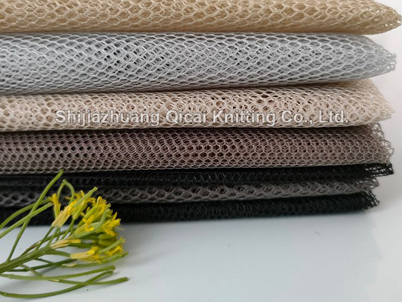
Mesh Fabric for Tent
Unfortunately, there is no one tent fabric that is suitable for any weather or camping situation. However, we will examine the best tent materials - nylon, canvas, polyester and polyester-cotton - to check their performance.
The best waterproof tent fabrics
Regardless of the season, any camping trip needs a waterproof tent. Even if there is no possibility of rain, you must worry about morning dew forming outside. If the tent is not waterproof, dew will seep into the tent and soak yourself and your camping gear.
Polyester tents
To make polyester, manufacturers must heat PET plastic pellets and twist them into long, thin strands. Polyester is naturally waterproof due to its plastic composition. In order to make a polyester tent waterproof, the fibres must be very tightly woven. In general, polyester is a good choice, especially if you are using a waterproof tent cover.
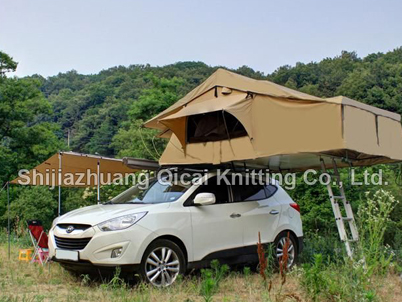
100% Polyester Hexgonal Mesh Fabric for Tent
Tents made of nylon
Nylon fibres, like polyester, are made from synthetic chemicals. Nylon is made by fusing the raw material into a film and then fusing it separately into a thin rope, rather than heating the plastic pellets and twisting them into threads. Nylon, like polyester, is usually waterproof, although it may not be.
Nylon is great for light rain and potential early dew, but it won't keep you dry in a storm.
Canvas tents
Canvas is an organic textile made from cotton or linen fibres. Due to its natural properties, canvas is not very waterproof. On the other hand, canvas tents absorb and retain moisture, making them leak. However, you can keep canvas tents impervious to water by soaking them regularly to help close the gaps between the lines.
However, this process can take several days to complete and is not 100% effective. Canvas, on the other hand, is by far the most permeable textile and helps to avoid condensation.
If you are going to use canvas, first make sure it is waterproof and then cover it with a waterproof tent.
We offer a wide selection of tent mesh fabric and custom fabric solutions for customers with highly specific or unique needs. For more information on our standard and custom textiles, please contact us today or request a quote.