Advantages of polyester fabric over cotton fabric
In today’s global textile sourcing market, the comparison between polyester fabric vs cotton fabric is no longer only about comfort or appearance. It is increasingly defined by production efficiency, cost control, durability, and supply chain stability.
The core difference between polyester fabric and cotton fabric comes from fiber origin and structural behavior.
Cotton is a natural fiber that prioritizes comfort and breathability, while polyester is a synthetic engineered fiber designed for strength, stability, and industrial scalability.
In real-world sourcing decisions, polyester vs cotton fabric is not a simple quality comparison—it is a functional decision based on end-use requirements and production scale.
One of the most important differences in polyester fabric vs cotton fabric is durability.
Polyester fabric is made from synthetic polymer fibers, which gives it significantly higher tensile strength compared to cotton. This means it can withstand repeated stress, friction, and washing cycles without easily breaking down.
This is why polyester is widely used in:
polyester fabric for uniforms
polyester fabric for industrial workwear
high-durability textile applications
Each of these applications requires fabric that can maintain structure under frequent use. Unlike cotton, which may weaken over time, polyester fabric maintains consistent performance even under heavy industrial conditions.
In cotton fabric production, shrinkage after washing is a common issue that directly affects garment sizing and quality control.
Polyester fabric, however, is dimensionally stable because its synthetic structure does not absorb water in the same way as natural fibers.
This is especially important for:
polyester fabric for garment manufacturing
bulk polyester fabric sourcing
large-scale clothing production
For manufacturers, this means the final product remains consistent across thousands of units, reducing size variation and improving production reliability. In polyester vs cotton fabric comparison, this stability is one of polyester’s strongest advantages.
Polyester fabric naturally resists wrinkling due to its molecular structure, which allows it to return to shape more easily after stress or folding.
This property reduces the need for intensive ironing or finishing processes during production.
For example, in:
polyester fabric for uniforms
corporate apparel production
travel clothing manufacturing
Wrinkle resistance helps manufacturers reduce labor costs and improve packaging efficiency, while retailers benefit from better product presentation with minimal maintenance requirements.
Polyester fabric absorbs very little moisture compared to cotton, which allows it to dry significantly faster.
This is particularly valuable in industrial and commercial environments such as:
hotel and hospitality textiles
sportswear manufacturing
industrial laundry systems
Faster drying does not only improve comfort—it directly impacts production efficiency. Shorter drying cycles mean faster turnaround times, which is critical in high-volume textile supply chains.
When comparing polyester fabric vs cotton fabric from a procurement perspective, total cost is more important than initial material price.
Polyester fabric reduces long-term cost because it requires:
less maintenance
fewer replacements
lower energy consumption during washing and drying
For buyers searching:
polyester fabric manufacturer bulk order
cost-effective textile material
The value of polyester is not only in material cost, but in its long-term operational efficiency across the product lifecycle.
Polyester fabric holds dye more effectively than cotton in many industrial applications, especially when used in synthetic dyeing and digital printing systems.
This results in:
more consistent color across bulk production
reduced fading after repeated washing
stronger branding consistency for uniforms and fashion product
Because polyester is an engineered fiber, it has highly consistent physical properties across production batches.
This allows manufacturers to achieve:
stable bulk fabric output
reduced variation between lots
better compatibility with automated machinery
improved production predictability
This is one of the main reasons global buyers prefer working with a reliable polyester fabric manufacturer for long-term supply chains.
Polyester fabric is widely used because it adapts to multiple industrial needs.
In apparel manufacturing, it is commonly used for sportswear, uniforms, and activewear where durability and performance matter more than natural feel.
In home textiles, polyester is used in curtains, bedding, and upholstery because of its stability and low maintenance requirements.
In industrial applications, polyester is used in filtration materials, protective covers, and packaging textiles where strength and consistency are critical.
In outdoor products, polyester is widely used for waterproof bags, tents, and weather-resistant materials due to its durability and quick-drying properties.
Instead of treating polyester and cotton as competing materials, it is more accurate to see them as serving different industrial priorities.
Polyester fabric is optimized for scalability, durability, and cost efficiency, while cotton fabric is optimized for comfort and natural feel.
This is why polyester dominates in industrial and mass production supply chains, while cotton remains important in comfort-oriented apparel segments.
Qicai Knitting is a professional polyester fabric manufacturer and wholesale supplier, specializing in high-quality knitted polyester fabrics for global B2B buyers.
We support:
bulk polyester fabric supply
custom textile development
OEM/ODM manufacturing
stable export-grade production
If you are looking for a reliable polyester fabric supplier for clothing, uniforms, or industrial textiles, contact us to request samples, technical specifications, and competitive quotations.
Related products
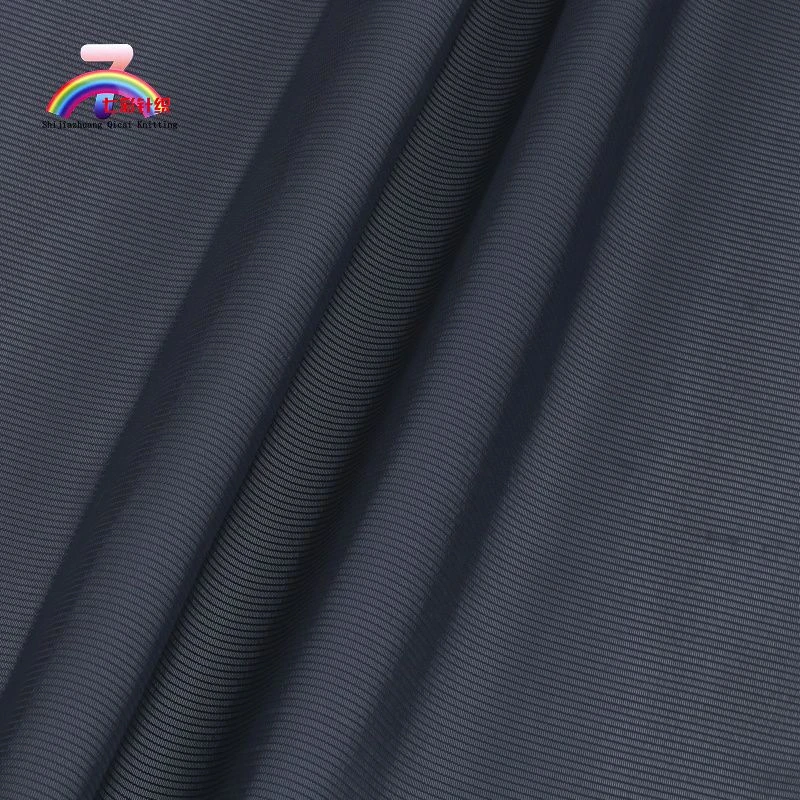
Anti-pollen Screen Mesh Fabric
Made of 100% polyester, pollen window screens are lightweight, dust-blocking window screens. the mesh is very fine and is used for window screens designed to block most airborne allergens and ultra-fine dust.
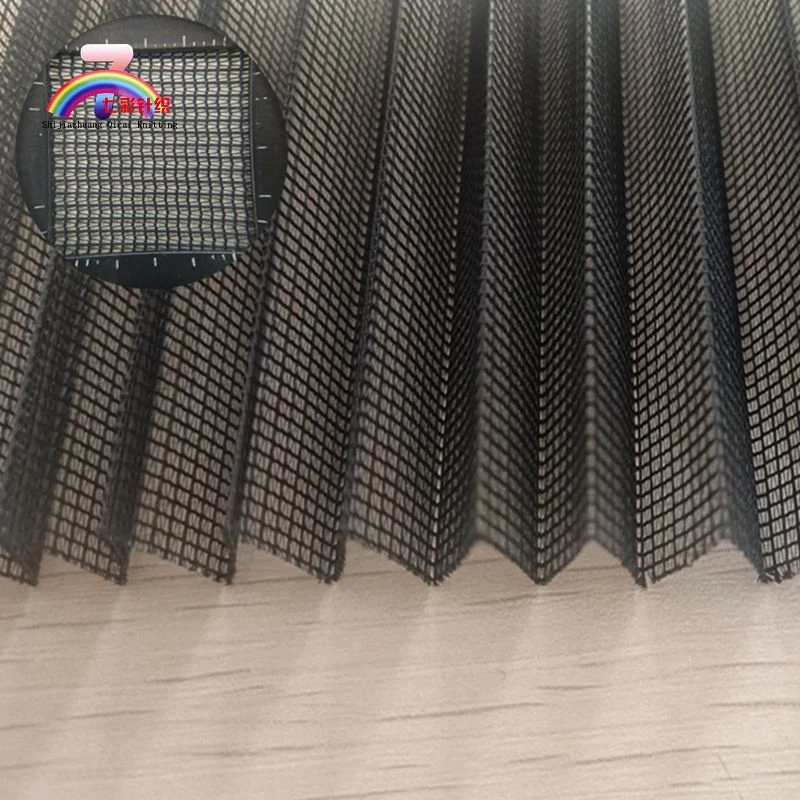
Polyester folding screen is a pleated mesh with strong economic practicality,and it possesses a balance of performance properties such as good flexibility
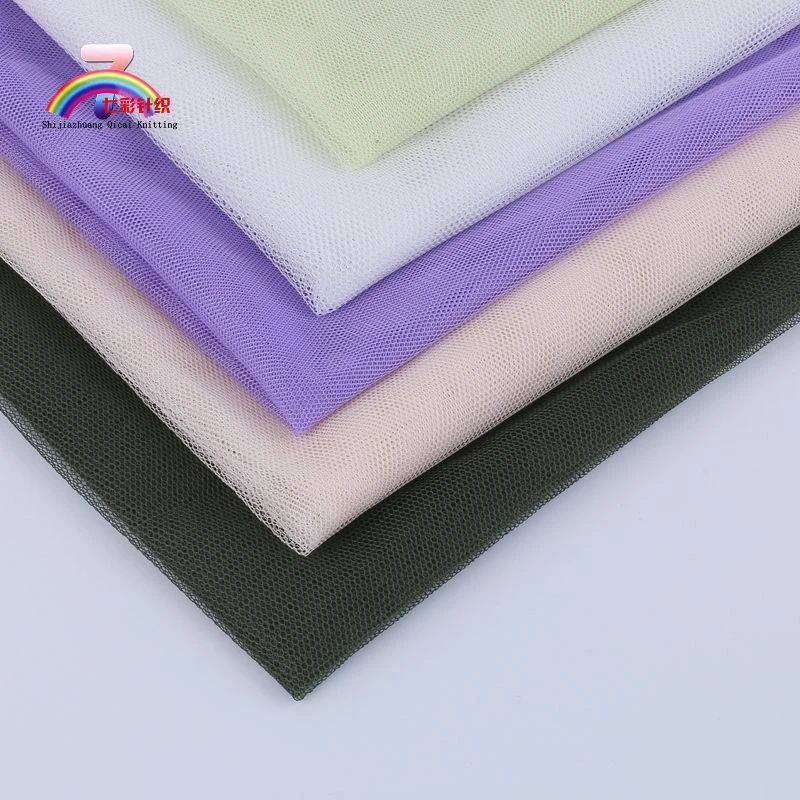
Mosquito mesh fabric can be made into dresses and all kinds of mosquito nets,it also can used for window screen.
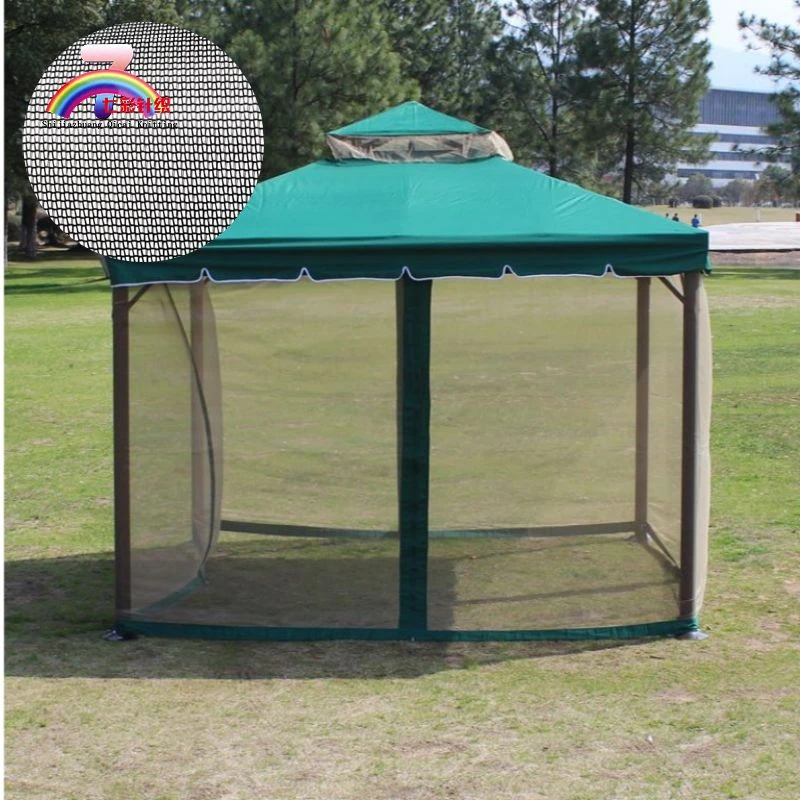
Mesh Fabric For Camping Tent-B3/B4
100%polyester B3/B4 eyelet fabric is a 100% polyester knitted fabric for Camping tent, it can help you avoid mosquito’s infestation.
Contact Us
Insights & Articles
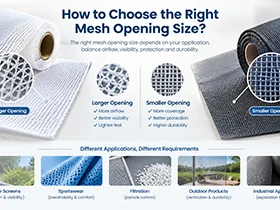
How to Choose the Right Mesh Opening Size?
Learn how to choose the right mesh opening size for airflow, visibility, protection, and different applications, including window screens and sportswear.
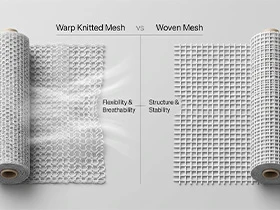
Warp Knitted Mesh vs Woven Mesh: Which Is Better?
Compare warp knitted mesh vs woven mesh by flexibility, stability, airflow, applications, and OEM requirements to choose the right fabric.
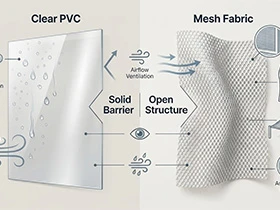
Clear PVC vs Mesh Fabric: Which Material Is Suitable for Your Application?
Compare clear PVC and mesh fabric by airflow, visibility, protection, and applications to choose the right material for your project.
What Specifications Should You Provide When Buying Mesh Fabric?
Why GSM Cannot Predict Fishing Net Strength
Fabric Manufacturer for Medium to Large Businesses: Supporting Scalable Textile Production