Applications of Scrim Cloth in Industrial
You can find scrim cloth in many industries due to its versatile scrim cloth uses industrially. This kind of scrim is essential for reinforcement in roofing applications. It is also utilized in filtration systems, and insulation panels often incorporate scrim cloth as well. Laminating materials require scrim cloth for added strength, while wallcoverings and packaging solutions benefit from its durability. Even cleaning products make use of scrim cloth. In building and construction, this kind of scrim provides the necessary strength to ensure longevity. In automotive applications, scrim offers thermal resistance, and in aerospace, it contributes to creating strong yet lightweight components. The table below illustrates how scrim helps different industries:
|
Application Area |
Description |
|---|---|
|
Building and Construction |
Roofing, flooring, and wall systems for strength and durability. |
|
Automotive |
Engine components and exhaust systems for thermal resistance and stability. |
|
Aerospace |
Structural parts and interior panels to reduce weight and boost strength. |
Scrim cloth is special because it works well in many ways, providing reliable performance across various applications. It meets the needs of each industry, resists wear, and offers flexibility. Scrim cloth also works effectively with coatings, making scrim a top choice for numerous uses.
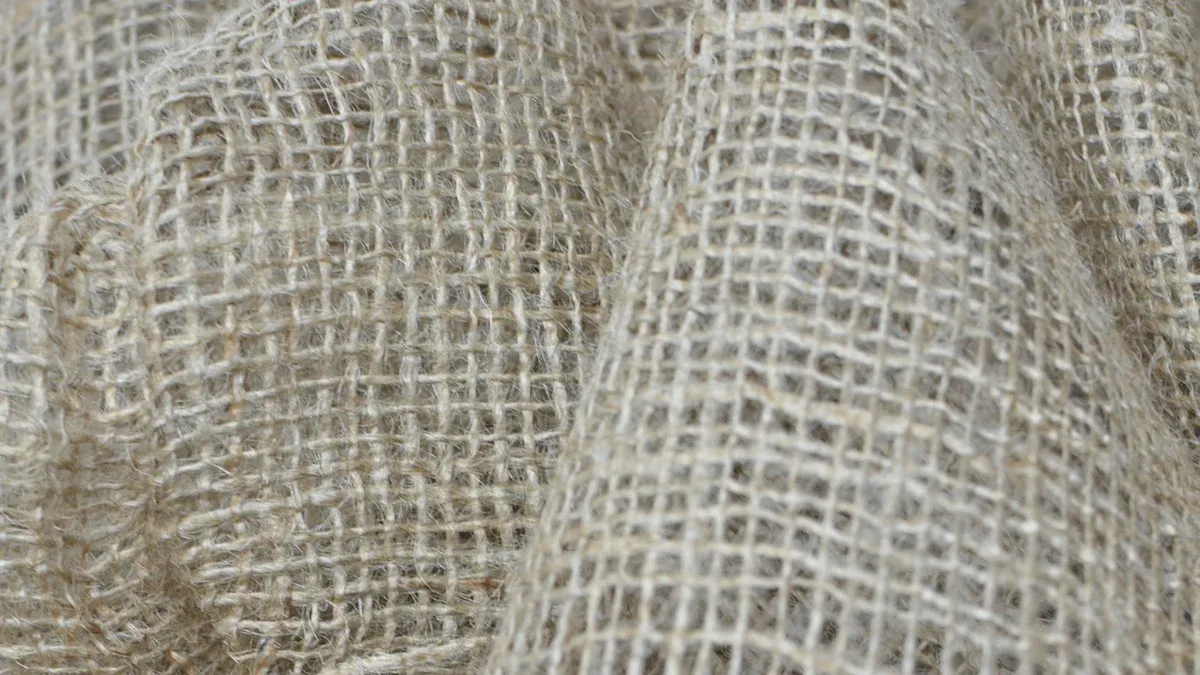
Scrim fabric is strong and stable in tough places. Many industries pick scrim because it does not tear easily. It has high tensile strength. When used in construction or filtration, scrim fabric lasts longer. It also works better than some other materials. Studies show PTFE scrim helps filter materials keep their shape. This means products are more stable and last longer. The table below shows what happens when scrim fabric is used in industry:
|
Key Findings |
Implications |
|---|---|
|
PTFE scrim reduces size deformability of filter material |
Enhances stability and mechanical strength in high-temperature applications |
|
Tensile strength of PTFE scrim decreases with increasing temperature |
Indicates potential limitations in high-temperature environments |
|
Elongation at break increases slightly with temperature |
Suggests that while PTFE is durable, excessive elongation can affect service lifetime |
|
Factors like single yarn diameter and basic weight significantly impact strength retention |
Provides guidance for optimizing mechanical properties in manufacturing PTFE scrims |
Scrim fabric is light and easy to bend. You can use it in packaging and insulation. It is good for jobs that need both strength and easy handling. The open weave lets air pass through and makes it flexible. This helps when you need to reinforce something. Nonwoven scrim fabric is simple to shape and fit into products.
Scrim fabric works with many coatings. This makes it useful in many products. You can bond scrim fabric with thermoplastic adhesives at medium heat. Thermoset adhesives make strong, lasting bonds. This gives extra strength for hard jobs. Laminating scrim fabric with regenerated cellulose makes it breathable and chemical-resistant. It can even be biodegradable.
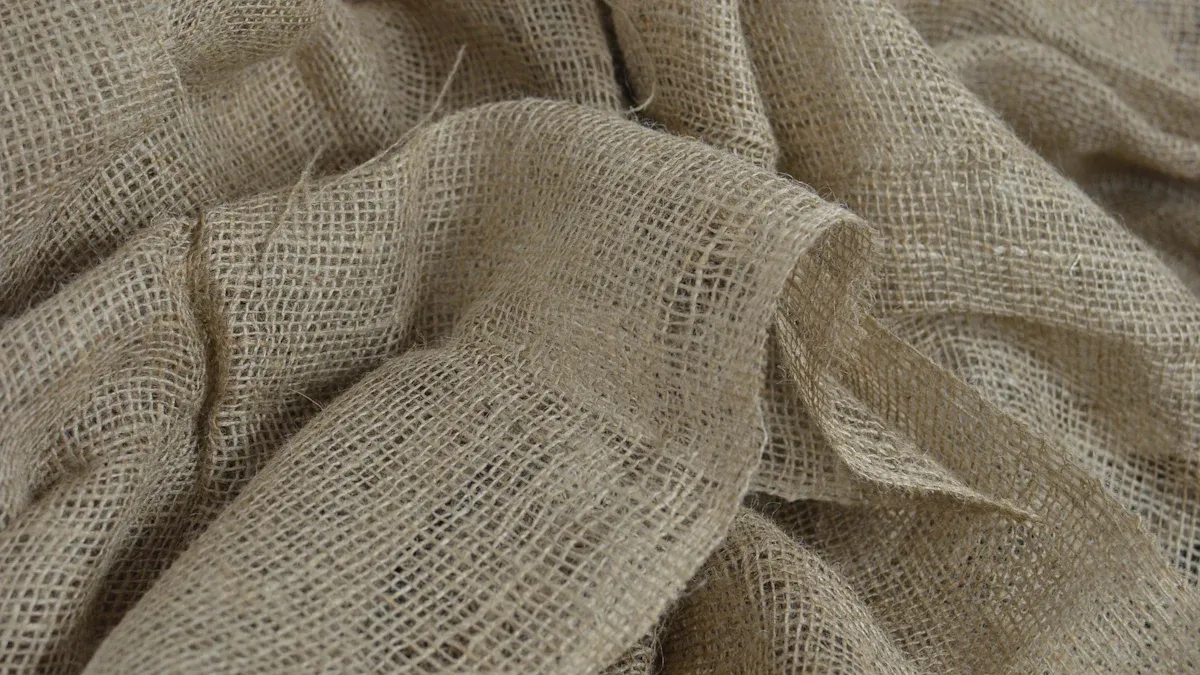
Scrim fabric is used in construction and roofing. It helps make materials stronger and more dependable. Builders use scrim cloth for roofing, wall panels, and floors. The open weave stops tears and holes, so roofs stay safe in storms. Qicaiknitting makes scrim that lasts long and handles heat. This makes it good for homes and businesses.
Building and construction use the most scrim cloth.
Scrim fabric in roofs is checked for thickness, brittleness, heat aging, and weather resistance. How thick the membrane is and how much coating is on scrim matters for sun and heat. Roofs need to stay dry and cool, so water-tightness and solar reflectance are important.
Scrim cloth is also used in insulation and packaging. You see it in insulation panels, thermal barriers, and packaging. Fiberglass scrim gives insulation strength and stops it from tearing. Scrim fabric also keeps heat in or out and blocks vapor.
Scrim fabric is in packaging for shipping and storage. It makes packaging stronger, keeps water out, and stops tears and holes. Some packaging uses scrim with rust protection to keep metal safe.
Qicaiknitting’s scrim fabric gives you good insulation and packaging. You can trust scrim cloth to keep things safe and buildings comfortable. If you have any questions about scrim, you can contact us and we will provide you with a satisfactory solution!
Related products
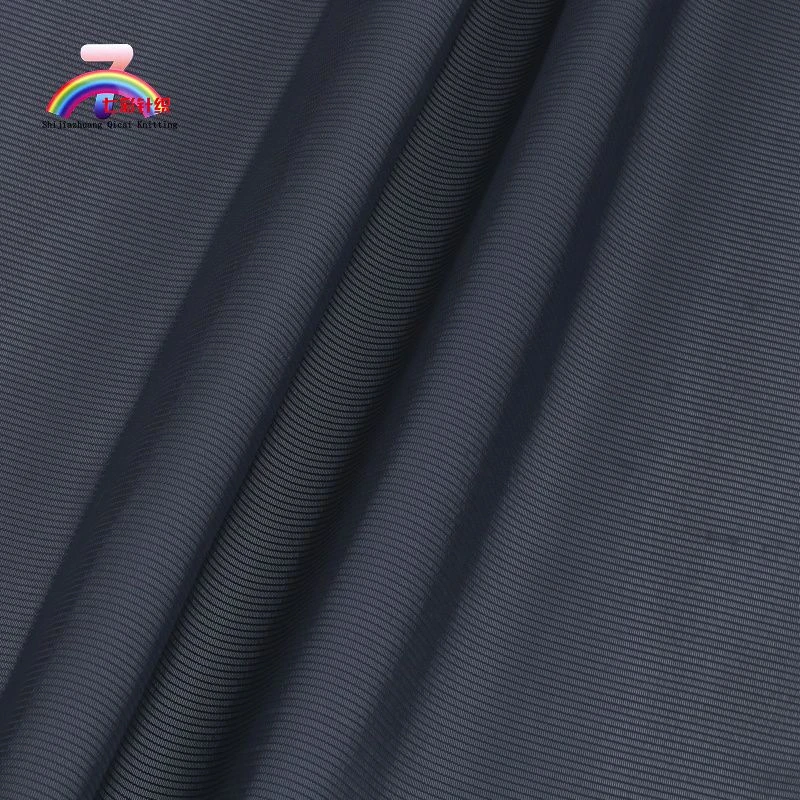
Anti-pollen Screen Mesh Fabric
Made of 100% polyester, pollen window screens are lightweight, dust-blocking window screens. the mesh is very fine and is used for window screens designed to block most airborne allergens and ultra-fine dust.
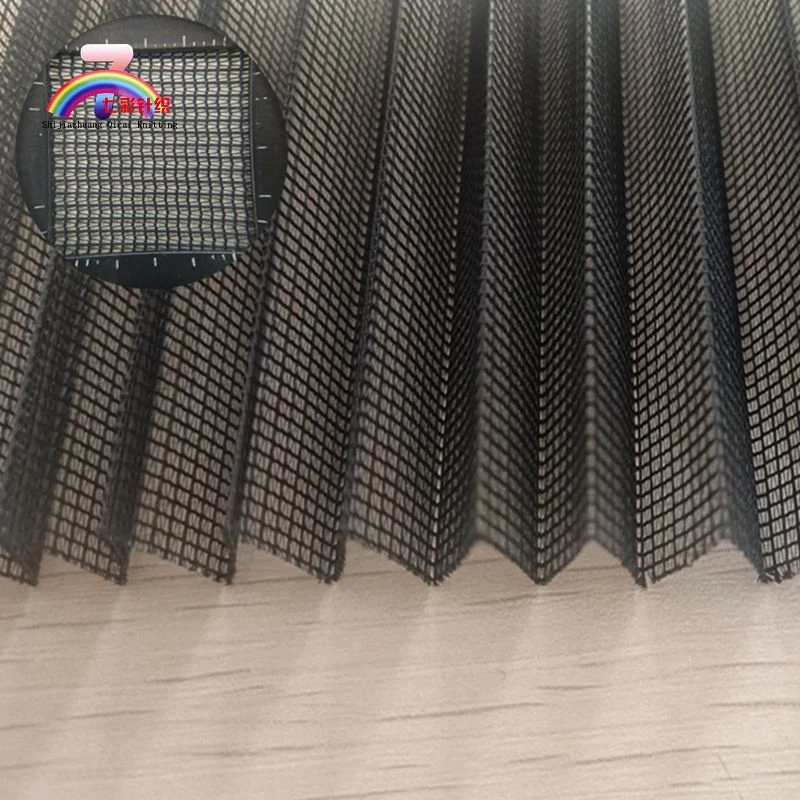
Polyester folding screen is a pleated mesh with strong economic practicality,and it possesses a balance of performance properties such as good flexibility
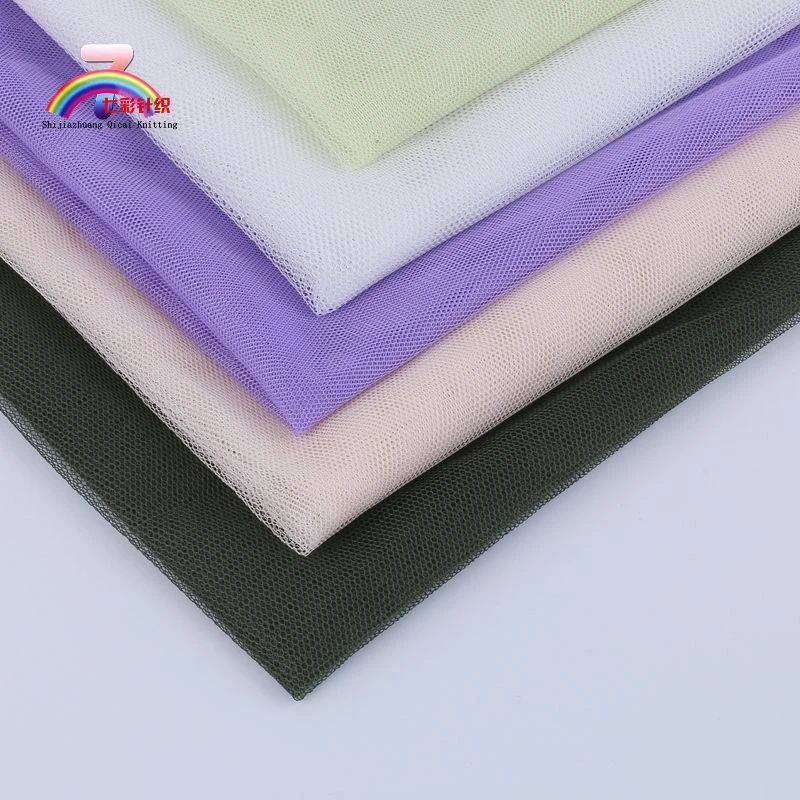
Mosquito mesh fabric can be made into dresses and all kinds of mosquito nets,it also can used for window screen.
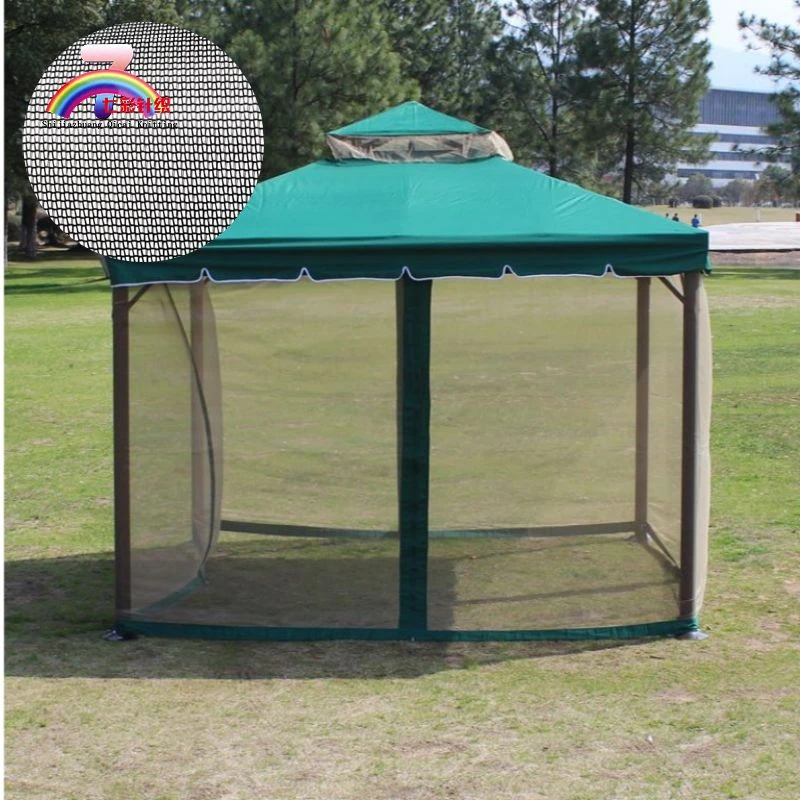
Mesh Fabric For Camping Tent-B3/B4
100%polyester B3/B4 eyelet fabric is a 100% polyester knitted fabric for Camping tent, it can help you avoid mosquito’s infestation.
Contact Us
Insights & Articles
How to Choose the Right Mesh Opening Size?
Learn how to choose the right mesh opening size for airflow, visibility, protection, and different applications, including window screens and sportswear.
Warp Knitted Mesh vs Woven Mesh: Which Is Better?
Compare warp knitted mesh vs woven mesh by flexibility, stability, airflow, applications, and OEM requirements to choose the right fabric.
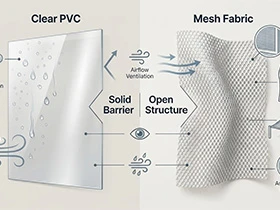
Clear PVC vs Mesh Fabric: Which Material Is Suitable for Your Application?
Compare clear PVC and mesh fabric by airflow, visibility, protection, and applications to choose the right material for your project.
What Specifications Should You Provide When Buying Mesh Fabric?
Why GSM Cannot Predict Fishing Net Strength
Fabric Manufacturer for Medium to Large Businesses: Supporting Scalable Textile Production