Birds Eye Fabric Uses
When it comes to fabric that combines functionality, durability, and a touch of finesse, birds eye fabric takes center stage. But what is this mysterious fabric? And, more importantly, what is it used for? Whether you're a fashion enthusiast, a fitness junkie, or a manufacturer looking for versatile textiles, birds eye fabric has something to offer everyone. Let's dive into this fabric's background, characteristics, various applications, and some essential care tips!
Birds eye fabric is named after the distinctive small, diamond-shaped pattern resembling a bird's eye. It's a type of woven fabric traditionally made from cotton, but modern variations can also include polyester or other synthetic fibers. Its structure gives it durability and breathability, making it an excellent choice for a variety of uses.
While birds eye fabric has been around for centuries, it's gained popularity for being versatile, breathable, and durable. Historically, it was used for baby diapers, but its modern applications have expanded dramatically.
The unique texture and construction of birds eye fabric set it apart from other textiles. Here's a closer look at its defining characteristics:
The question isn't really “what is birds eye fabric used for?” but rather “what isn't it used for?” Its versatility has made it a favorite in various industries. Here are some of the top applications:
1. Athletic Wear Due to its breathability and lightweight nature, birds eye fabric is commonly used in sports apparel, particularly for jerseys, shorts, and other activewear. Its ability to wick away moisture while remaining comfortable on the skin makes it ideal for high-performance activities.
2. Home Textiles From towels to cleaning cloths, birds eye fabric is a household staple. Its absorbent quality makes it perfect for drying dishes, cleaning surfaces, and even as reusable kitchen towels. Eco-friendly enthusiasts love birds eye fabric because it provides an excellent alternative to disposable paper towels.
3. Medical Textiles In the healthcare industry, birds eye fabric's absorbency and softness make it suitable for bandages and other medical textiles. Its durability ensures that these products can be washed and reused without losing functionality.
4. Children's Products Historically, birds eye fabric was widely used for baby diapers due to its absorbency and softness. While modern-day diapers have shifted towards disposable materials, birds eye fabric is still a popular choice for cloth diapers among eco-conscious parents. It is also used in bibs, burp cloths, and baby wipes.
5. Fashion Birds eye fabric isn't just about practicality—it's also stylish! Designers often use it in summer shirts, dresses, and lightweight garments due to its breathability and textured look. The subtle pattern adds visual interest without being overwhelming.
6. Industrial Use Birds eye fabric's strength and durability make it suitable for industrial use. It's frequently found in workwear and other heavy-duty applications where fabric longevity is a priority.
Taking care of birds eye fabric is relatively simple. Follow these tips to ensure your fabric remains in excellent condition:
If you're interested in purchasing high-quality birds eye fabric, look no further than Qicai Knitting, a leader in the textile industry. Qicai offers a wide range of birds eye fabrics perfect for applications ranging from fashion to industrial use. Whether you're a small business or a large-scale manufacturer, Qicai's products are made with the finest materials, ensuring that you receive durable, breathable, and high-performance fabrics every time.
Click here to explore Qicai's birds eye fabric collection and discover how it can meet your needs.
Related products
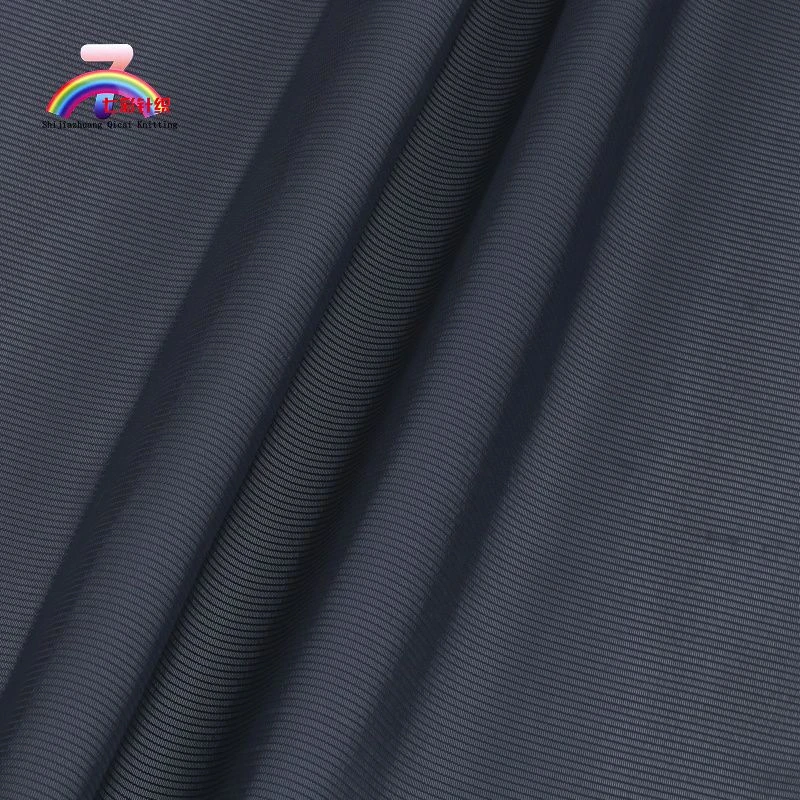
Anti-pollen Screen Mesh Fabric
Made of 100% polyester, pollen window screens are lightweight, dust-blocking window screens. the mesh is very fine and is used for window screens designed to block most airborne allergens and ultra-fine dust.
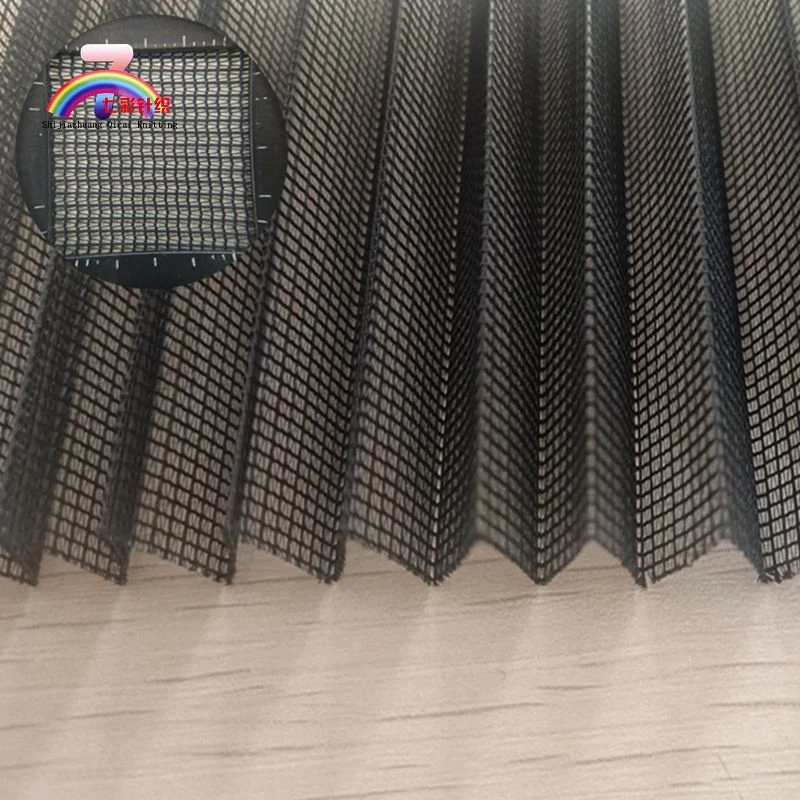
Polyester folding screen is a pleated mesh with strong economic practicality,and it possesses a balance of performance properties such as good flexibility
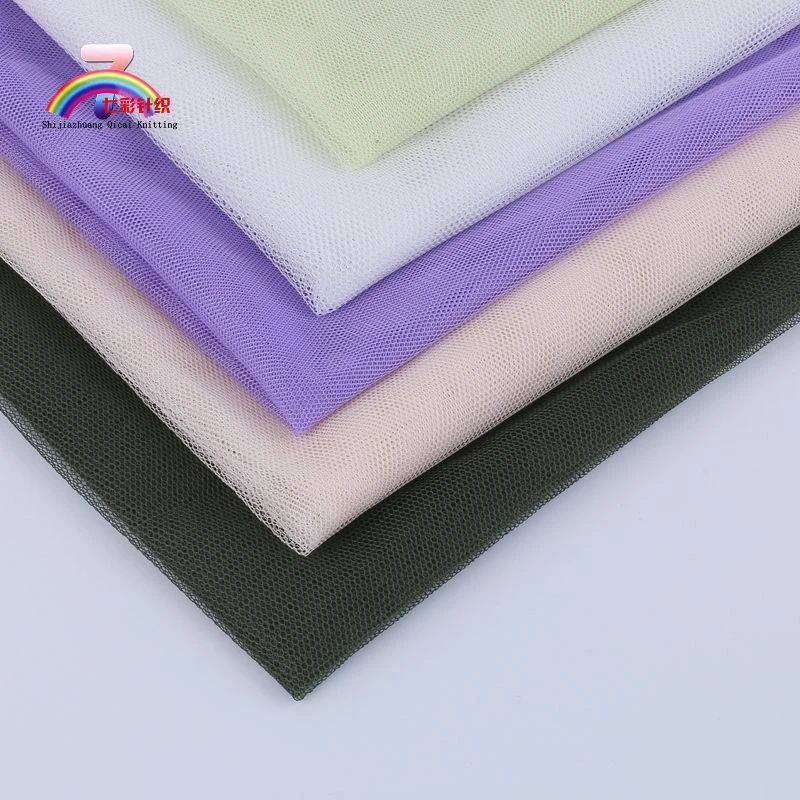
Mosquito mesh fabric can be made into dresses and all kinds of mosquito nets,it also can used for window screen.
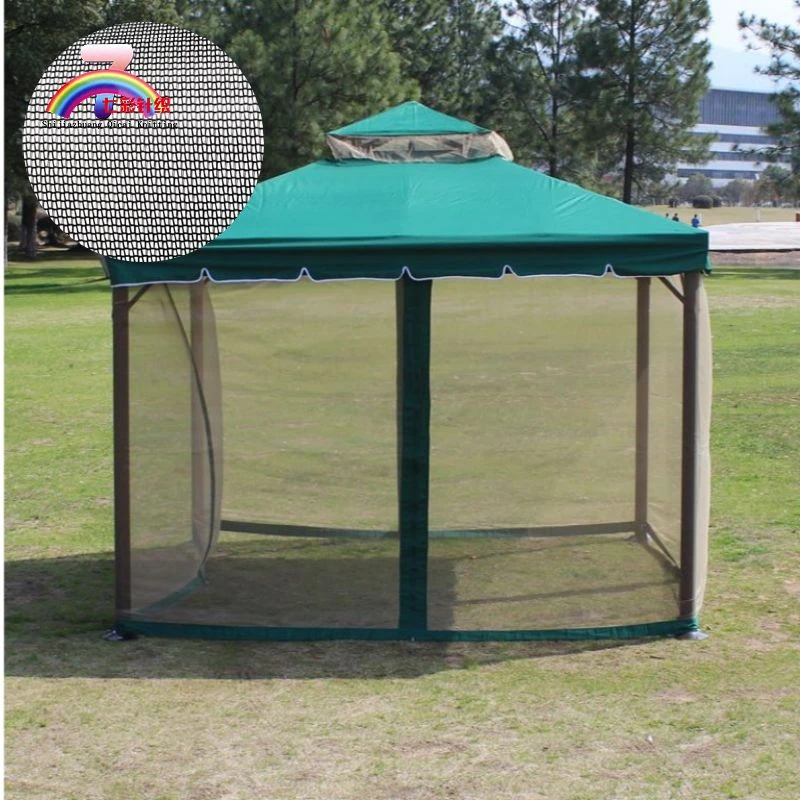
Mesh Fabric For Camping Tent-B3/B4
100%polyester B3/B4 eyelet fabric is a 100% polyester knitted fabric for Camping tent, it can help you avoid mosquito’s infestation.
Contact Us
Insights & Articles
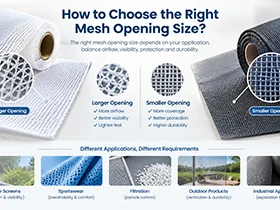
How to Choose the Right Mesh Opening Size?
Learn how to choose the right mesh opening size for airflow, visibility, protection, and different applications, including window screens and sportswear.
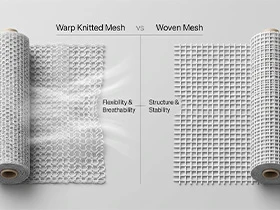
Warp Knitted Mesh vs Woven Mesh: Which Is Better?
Compare warp knitted mesh vs woven mesh by flexibility, stability, airflow, applications, and OEM requirements to choose the right fabric.
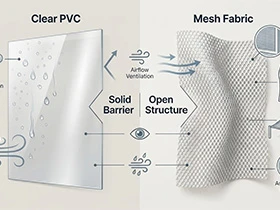
Clear PVC vs Mesh Fabric: Which Material Is Suitable for Your Application?
Compare clear PVC and mesh fabric by airflow, visibility, protection, and applications to choose the right material for your project.
What Specifications Should You Provide When Buying Mesh Fabric?
Why GSM Cannot Predict Fishing Net Strength
Fabric Manufacturer for Medium to Large Businesses: Supporting Scalable Textile Production


