fish netting material
Fishing nets are essential tools for anglers, but the materials used to make them can significantly impact their effectiveness. The choice of fish netting material affects durability, weight, and performance. Here, we explore various fishing net materials, their pros and cons, and appropriate applications for different fishing scales, ensuring you make the best choice for your fishing adventures.
Pros:
Polyester is renowned for its high resistance to UV light and weathering. This means your nets will stand up to the sun's rays and harsh environmental conditions without degrading quickly. Additionally, polyester is durable and strong, making it suitable for long-term use without the worry of frequent replacements.
Cons:
On the flip side, polyester can be heavier than other materials, which might affect the buoyancy of the net. This weight can be a disadvantage when you need a net that floats easily on the water's surface. Furthermore, polyester is slightly less flexible compared to nylon, which can make handling more cumbersome in some situations.
Applications:
Polyester is often used for large commercial nets due to its strength and longevity. It's ideal for saltwater environments, where the combination of UV resistance and durability is crucial. Think of deep-sea fishing operations where nets are subjected to challenging conditions; polyester nets shine in these scenarios.


Pros:
Nylon boasts an excellent strength-to-weight ratio, which makes it a favorite among anglers. Its lightweight nature allows for easy handling, while its flexibility means it can be deployed in various fishing methods without hassle. Nylon nets can also stretch, providing a bit of give when catching fish, reducing the chances of tearing.
Cons:
However, nylon is susceptible to UV degradation over time, meaning that it can weaken with prolonged exposure to sunlight. Additionally, its ability to stretch can sometimes reduce effectiveness, particularly in situations where a firm, secure hold is essential.
Applications:
Nylon fishing nets are popular among recreational anglers and for freshwater fishing. They are the go-to choice for enthusiasts targeting species like trout and bass, where the ability to quickly deploy and retrieve nets is paramount. Their versatility makes them suitable for everything from casual weekend fishing to more serious angling pursuits.
Pros:
Polyamide, which is a type of nylon, offers exceptional strength and resistance to abrasion. This means that it holds up well against rough surfaces and sharp edges, making it an excellent choice for nets that will encounter challenging environments. Its elasticity enhances the net's performance, allowing for a snug fit around fish.
Cons:
One downside to polyamide is its tendency to absorb water, which can affect drying time after use. Additionally, it is generally more expensive than other options, which might deter budget-conscious buyers.
Applications:
Polyamide is commonly used in specialized fishing nets that require high strength and durability, such as those used in deep-sea fishing or for catching larger fish species. When targeting sharks or marlin, for instance, using polyamide nets ensures that you have the right tool for the job.
Pros:
Lightweight and buoyant, polyethylene nets float easily, which can be advantageous in many fishing scenarios. They are also resistant to chemicals and moisture, making them ideal for various aquatic environments.
Cons:
However, polyethylene nets are less durable than polyester and nylon options, meaning they may not hold up as well under heavy use. They are also not suited for heavy-duty applications, which might limit their effectiveness for certain fishing activities.
Applications:
Polyethylene nets are typically used in recreational fishing and for temporary installations. They are great for pond fishing or casual outings, where the focus is more on enjoyment than on catching large quantities of fish.
Pros:
Polypropylene is a standout in the fishing net material category due to its high resistance to chemicals and UV radiation. This means that it can withstand exposure to harsh elements without degrading quickly. Additionally, its lightweight nature makes it a breeze to handle.
Cons:
The downside is that polypropylene has lower strength compared to nylon and polyester, which can limit its use in demanding situations. Moreover, prolonged exposure to UV light can make it become brittle over time, leading to potential breakage.
Applications:
Polypropylene is often used in aquaculture and for making lightweight nets for specific fishing applications where buoyancy is essential. They are great for fish farms, where nets are needed to hold fish securely while allowing for easy management.
When selecting fishing net materials, consider the scale of your fishing activities:
Small Scale (Recreational Fishing): For casual outings, materials like nylon and polyethylene are ideal due to their flexibility and ease of use. They allow for quick setups and takedowns, making your fishing experience enjoyable without unnecessary hassle.
Medium Scale (Commercial Fishing): If you're engaging in commercial activities, polyester and polyamide provide the strength and durability needed for frequent use. These materials can handle the wear and tear associated with larger catches and more demanding environments.
Large Scale (Industrial Fishing): For industrial operations, polyester and nylon nets are preferred. They withstand harsh conditions and have a long lifespan, making them a cost-effective choice for businesses that rely on fishing for their livelihood.
By understanding the unique properties of each fishing net material, anglers can make informed decisions that enhance their fishing experiences. Whether you're a weekend warrior or a seasoned pro, having the right equipment is essential for success on the water.
At Qicai, we understand the importance of choosing the right fishing net for your specific application. That's why we offer a wide range of nets designed for different fishing techniques, from recreational angling to large-scale commercial operations. Our commitment to quality and customer satisfaction has established us as a trusted partner in the fishing industry.
Explore our comprehensive selection of fishing nets and accessories, and discover how Qicai can help you maximize your fishing success. For more information, click here to visit our website!
Related products
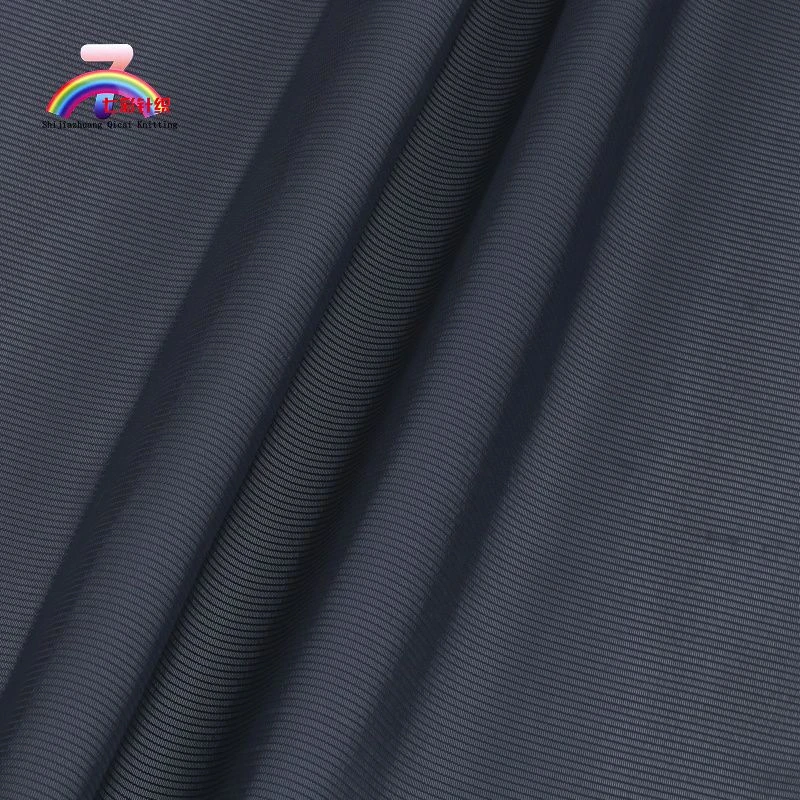
Anti-pollen Screen Mesh Fabric
Made of 100% polyester, pollen window screens are lightweight, dust-blocking window screens. the mesh is very fine and is used for window screens designed to block most airborne allergens and ultra-fine dust.
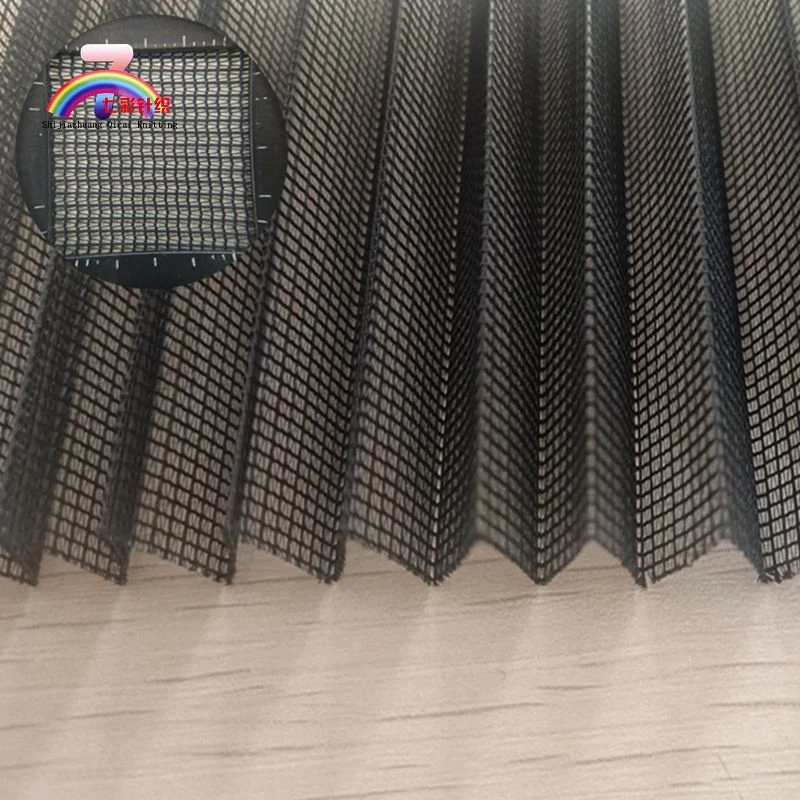
Polyester folding screen is a pleated mesh with strong economic practicality,and it possesses a balance of performance properties such as good flexibility
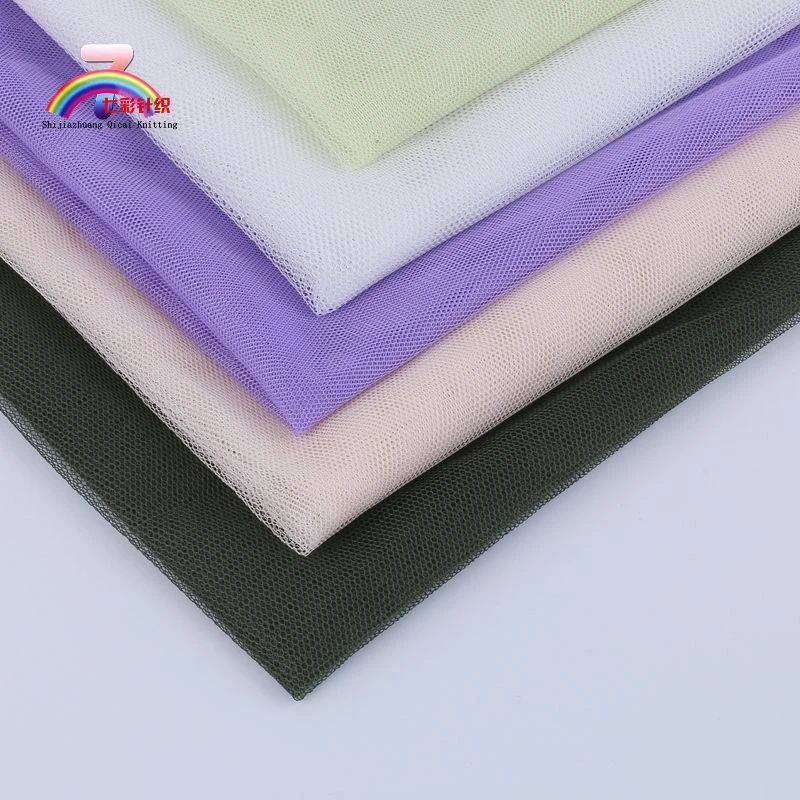
Mosquito mesh fabric can be made into dresses and all kinds of mosquito nets,it also can used for window screen.
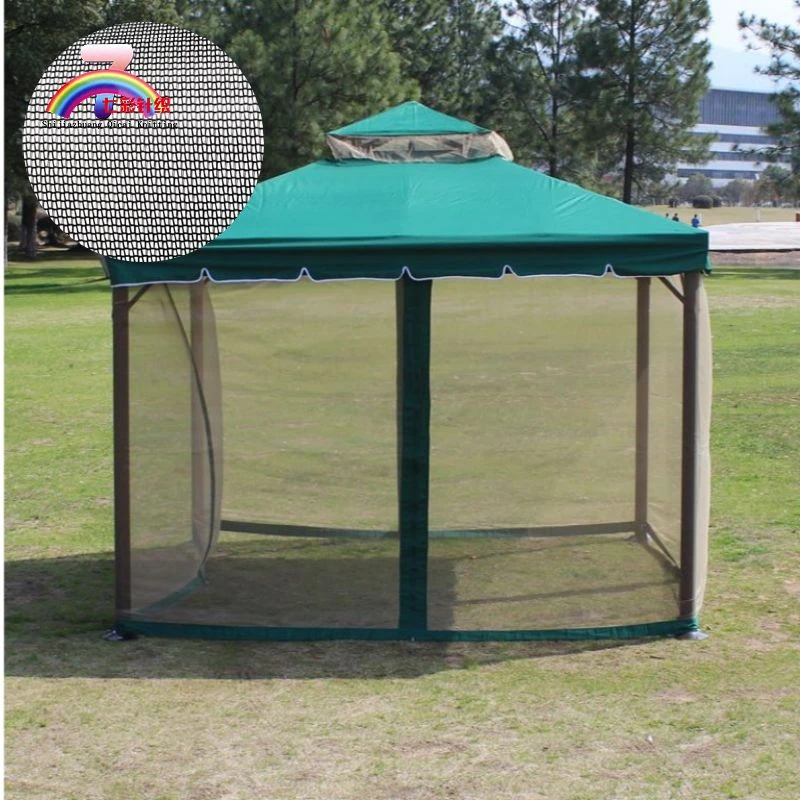
Mesh Fabric For Camping Tent-B3/B4
100%polyester B3/B4 eyelet fabric is a 100% polyester knitted fabric for Camping tent, it can help you avoid mosquito’s infestation.
Contact Us
Insights & Articles
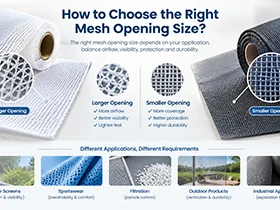
How to Choose the Right Mesh Opening Size?
Learn how to choose the right mesh opening size for airflow, visibility, protection, and different applications, including window screens and sportswear.
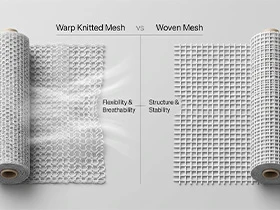
Warp Knitted Mesh vs Woven Mesh: Which Is Better?
Compare warp knitted mesh vs woven mesh by flexibility, stability, airflow, applications, and OEM requirements to choose the right fabric.
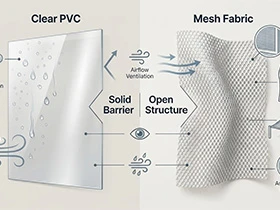
Clear PVC vs Mesh Fabric: Which Material Is Suitable for Your Application?
Compare clear PVC and mesh fabric by airflow, visibility, protection, and applications to choose the right material for your project.
What Specifications Should You Provide When Buying Mesh Fabric?
Why GSM Cannot Predict Fishing Net Strength
Fabric Manufacturer for Medium to Large Businesses: Supporting Scalable Textile Production