The Complete Guide to Custom Fabric Printing: Methods
Custom fabric printing helps you make your own special fabrics. This business is growing fast and is worth $38.10 billion in 2024.
Polyester and mesh fabrics are strong and bend easily.
Qicai Knitting uses German machines. They give good quality and fair prices. They can help with any custom order you want.
Custom fabric printing lets you make special designs on many fabrics. It is great for small projects or unique things.
Picking the best printing method, such as digital printing or screen printing, depends on what your project needs. It also depends on the kind of fabric you pick.
Qicai Knitting gives you strong polyester and mesh fabrics. These fabrics help your prints look bright and last long for any custom fabric project.
Custom fabric printing lets you put your own designs, patterns, or artwork onto fabric. You get to control how your fabric looks, which is different from traditional printing that often needs big orders and has limits on colors and details. Here’s how it stands out:
Digital printing uses advanced machines to put your design right onto the fabric. You don’t need printing plates.
This method works fast and gives you lots of options, so you can print just what you need.
You waste less fabric and ink, which is better for the environment.
With custom fabric printing, you can make one-of-a-kind pieces or small batches. You don’t have to stick to simple patterns or colors. Qicai Knitting uses German technology to make sure your prints look sharp and last long. You also get fair prices and support for any custom order you want.
→ Tip: Custom fabric printing is perfect if you want something unique or need a small amount of fabric for a special project.
You can use custom fabric printing in many ways. Check out some popular uses:
|
Application Area |
Description |
|---|---|
|
Fashion |
You can create your own patterns for clothes, making each piece special. |
|
Home Decor |
Print fabric for curtains, pillows, or chairs to match your style at home. |
|
Branding |
Businesses use printed fabrics for banners, uniforms, and giveaways to show off their brand. |
|
Crafts |
Crafters love making custom quilts, bags, and gifts with their own designs. |
Many people use online services to print their designs. For example, Apliiq is great for custom streetwear, while Spreadshirt helps artists sell their designs on clothes and home items. These platforms make it easy to start your own project, no matter your skill level.
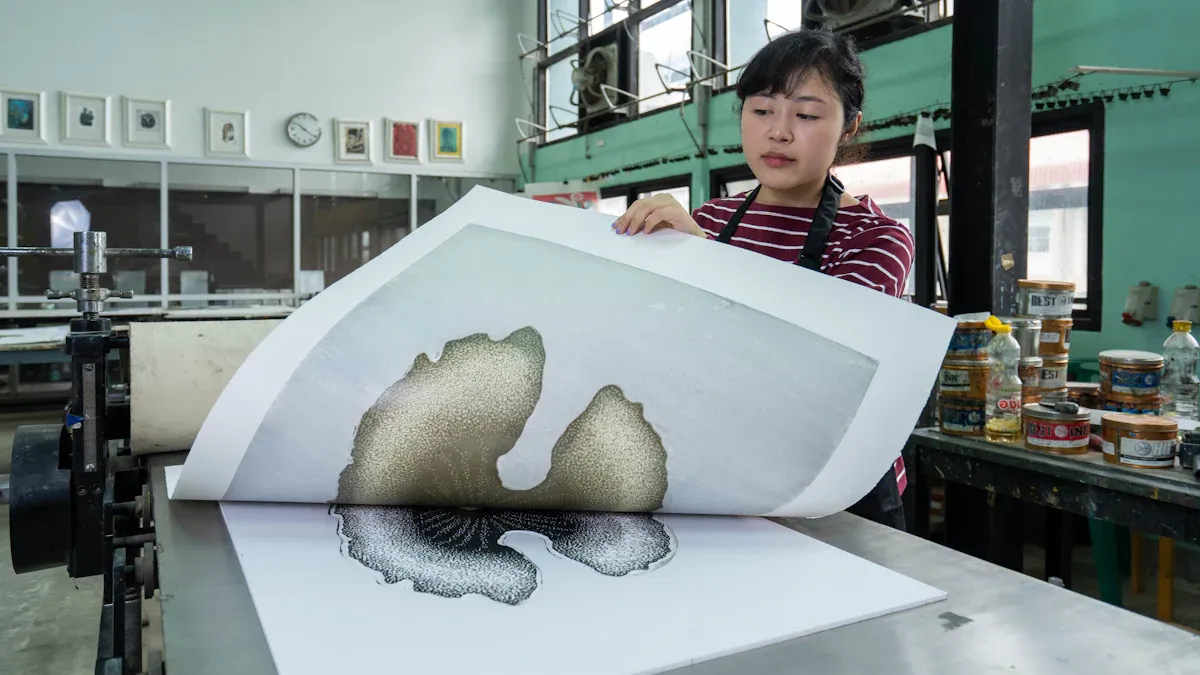
When you look into custom fabric printing, you will see many choices. Each method has its own good points. Some work better for certain projects. Let’s look at the most common ones. This will help you choose what fits your needs.
Digital printing is like a big inkjet printer for fabric. You upload your design to a computer. The machine prints it right onto the fabric. This gives you clear details and bright colors. You can print just one piece or a few. It is great for custom orders.
Setup is fast and you get your prints quickly.
It works well for detailed art and photos.
It is good for fashion, home decor, and gifts.
You can use different inks for different fabrics. For polyester, disperse or sublimation ink is best.
Digital printing is flexible. You can print on viscose, silk, wool, polyamide lycra, and mixed fabrics. Polyester works especially well, and Qicai Knitting is known for this.
→ Tip: Digital printing lets you try new colors and patterns. You do not have to order a lot at once.
Here is a quick guide for which inks to use:
|
Fabric Type |
Recommended Ink Type |
Notes |
|---|---|---|
|
Viscose |
Reactive Ink |
You get the best results with reactive ink. |
|
Wool |
Depends on wool type |
Print heads must be far from the fabric to keep it safe. |
|
Silk |
Reactive or Acid Inks |
Use reactive for strong color; acid for more color choices. |
|
Polyamide Lycra |
Acid Inks |
Best for swimwear; colors are bright and last through washes. |
|
Polyester |
Disperse or Sublimation Ink |
Sublimation is better for the planet; needs special printers. |
|
Mixed Fabrics |
Depends on dominant material |
Needs at least 70% of one fiber for good results. |
Digital printing is popular because it is fast and not too expensive. It works for small or big projects. You always get good prints.
Screen printing is an old method. You use a mesh screen to push ink onto the fabric. Each color needs its own screen. It is best for simple designs with only a few colors.
Prints are bold and bright.
They last a long time and can handle many washes.
It is cheaper if you print a lot at once.
Works best for cotton and other natural fabrics.
Here is a table to compare screen printing and dye sublimation:
|
Aspect |
Screen Printing |
Dye Sublimation |
|---|---|---|
|
Number of Colors |
Only one to three colors, done by hand |
Can make detailed patterns with many colors |
|
Special Effects |
Can make textures and effects |
Does not make textures or special effects |
|
Fabrics and Materials |
Best for cotton and other natural fibers |
Best for polyester and other synthetics |
|
Cost Efficiency |
Cheaper for big orders |
Good price for any amount |
|
Set-up Time |
Takes longer to set up |
Quick to set up and print |
|
Print Quality |
Great for bold, simple designs |
Makes bright colors and detailed prints |
|
Durability |
Not as tough, ink can crack |
Lasts longer, ink goes into the fabric |
|
Print Complexity |
Best for simple designs |
Good for detailed designs and gradients |
|
Color Blending |
Mixing colors by hand can be uneven |
Uses CMYK for exact colors |
Screen printing is great for t-shirts, bags, and banners. If you want a strong print that lasts, this is a good choice.
→ Note: Water-based, non-toxic inks are often used in screen printing. They are safe, good for the planet, and easy to clean.
|
Benefits of Water-Based Inks |
Details |
|---|---|
|
Eco-Friendly |
Lowers harmful air emissions, better for people and nature. |
|
Soft Texture |
Feels soft, which is nice for clothes. |
|
Non-Toxic |
No bad chemicals like PVC or phthalates. |
|
Easy Cleanup |
Just use soap and water, no harsh cleaners needed. |
Dye sublimation is a modern way to print on polyester. You print your design on special paper. Then you use heat to turn the ink into gas. The ink bonds with the fabric and stays there.
Colors are bright and details are sharp.
The print lasts a long time and does not crack or fade.
Works only on polyester or fabrics with a polyester layer.
Setup is quick and it is not expensive for any order size.
Dye sublimation is best for sportswear, flags, and custom clothes. Qicai Knitting’s polyester fabrics work very well for this.
→ Callout: Dye sublimation is best if you want your print to last and look bright on polyester.
You will see that dye sublimation prints stay nice after many washes. The process keeps your design sharp and colorful.
Block printing is a very old and hands-on way to print. You carve a design into a wooden block. You dip it in ink and press it onto the fabric. Every print is a little different because it is made by hand.
Adds texture and a raised look.
Each piece is special and has its own style.
Works well for eco-friendly fabrics and small batches.
Great for art projects, boutique fabrics, and home decor.
Some designers, like Molly Mahon, use block printing for nature and travel-inspired fabrics. You get bright colors and classic patterns with a new twist.
→ Tip: Block printing is good if you want a handmade look and do not mind small flaws.
Heat transfer printing uses heat and pressure to put your design from paper onto fabric. It works on many materials like cotton, polyester, wood, and ceramic.
Setup is fast and easy for small jobs.
Colors are bright and stand out.
It is cheap for small to medium orders.
Not as tough as other ways (lasts about 30-40 washes).
|
Pros |
Cons |
|---|---|
|
Works on many materials |
Not as tough (30-40 washes) |
|
Great color and contrast |
Slower for big orders |
|
Cheap for small-medium jobs |
Not good for huge orders |
Heat transfer is great for custom t-shirts, hats, and promo items. If you need something fast and cheap, this is a good pick.
→ Note: Heat transfer printing is best for quick jobs and on-demand orders.
Armed with knowledge about the different printing methods, you're now one step closer to realizing your custom fabric vision. But have you considered what your design will be printed on? The journey from a digital file to a tangible, high-quality textile doesn't end with choosing a technique; it continues with selecting the perfect fabric and crafting a design that's perfectly suited for it. Get ready to dive deeper! In the next installment, Qicaiknitting'll guide you through the vast landscape of materials—from natural cottons to synthetic blends—and share indispensable design tips to ensure your creations are not only beautiful but also durable and effective.
Related products
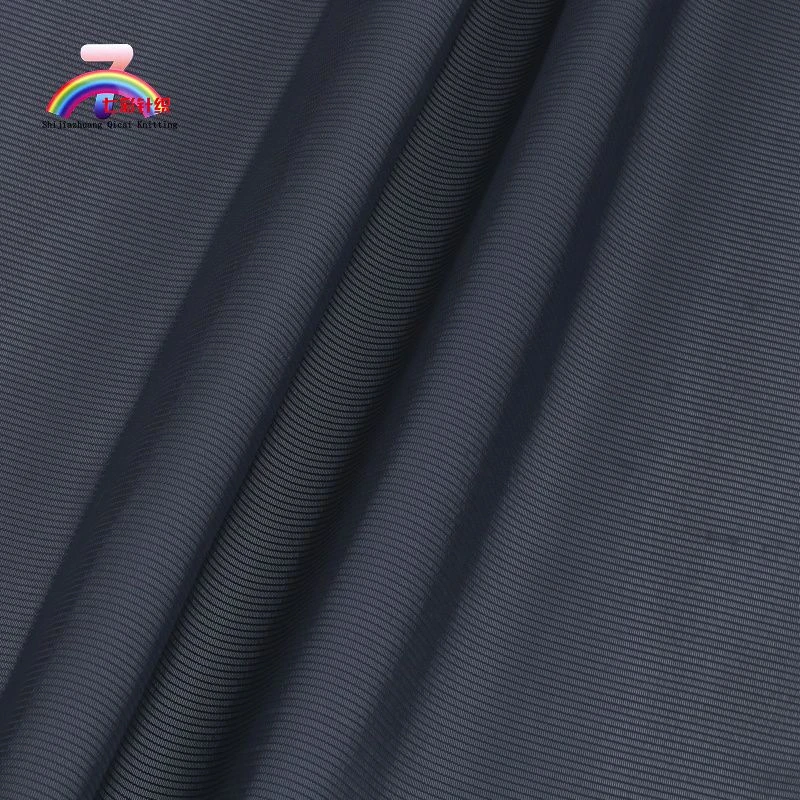
Anti-pollen Screen Mesh Fabric
Made of 100% polyester, pollen window screens are lightweight, dust-blocking window screens. the mesh is very fine and is used for window screens designed to block most airborne allergens and ultra-fine dust.
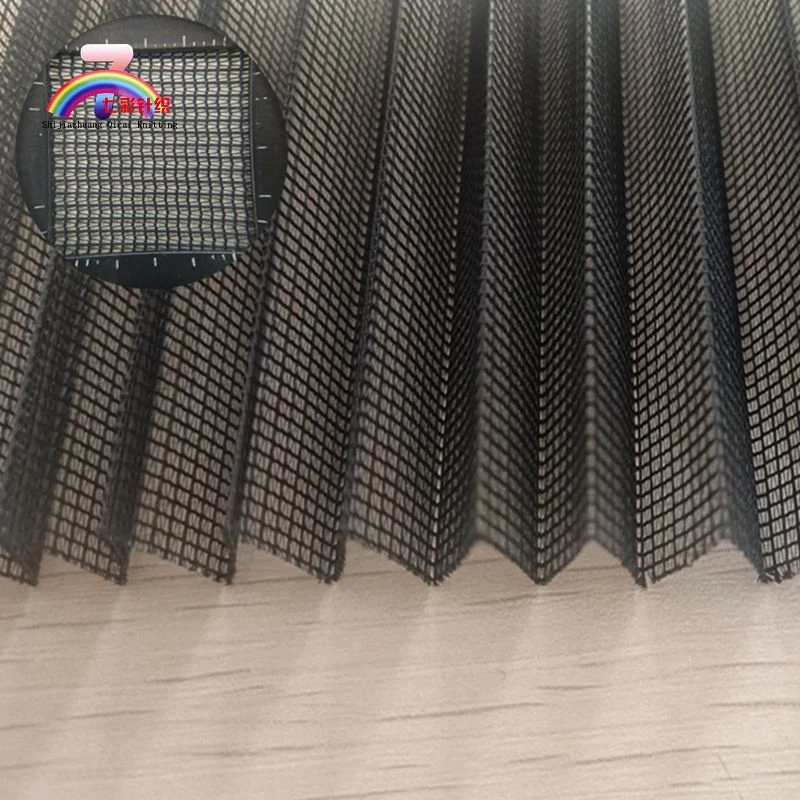
Polyester folding screen is a pleated mesh with strong economic practicality,and it possesses a balance of performance properties such as good flexibility
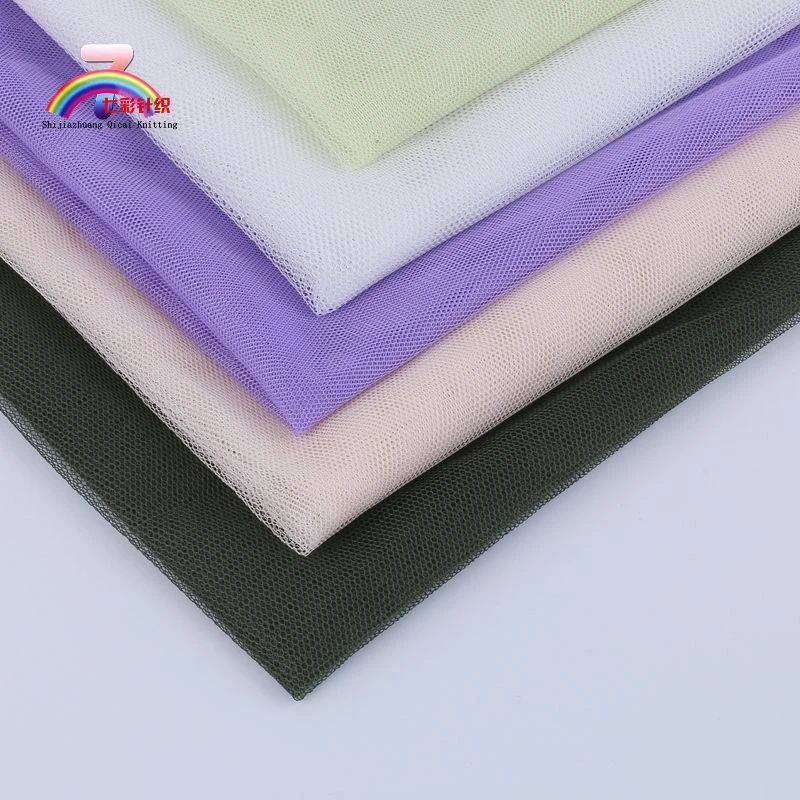
Mosquito mesh fabric can be made into dresses and all kinds of mosquito nets,it also can used for window screen.
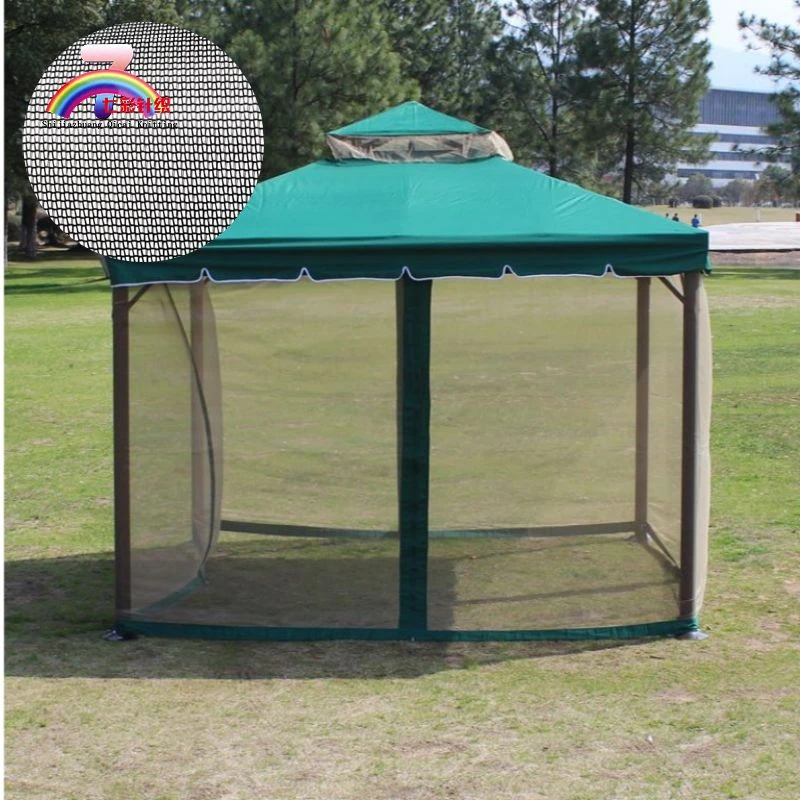
Mesh Fabric For Camping Tent-B3/B4
100%polyester B3/B4 eyelet fabric is a 100% polyester knitted fabric for Camping tent, it can help you avoid mosquito’s infestation.
Contact Us
Insights & Articles
How to Choose the Right Mesh Opening Size?
Learn how to choose the right mesh opening size for airflow, visibility, protection, and different applications, including window screens and sportswear.
Warp Knitted Mesh vs Woven Mesh: Which Is Better?
Compare warp knitted mesh vs woven mesh by flexibility, stability, airflow, applications, and OEM requirements to choose the right fabric.
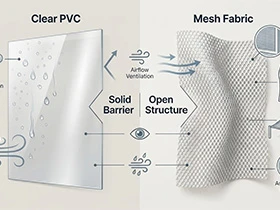
Clear PVC vs Mesh Fabric: Which Material Is Suitable for Your Application?
Compare clear PVC and mesh fabric by airflow, visibility, protection, and applications to choose the right material for your project.
What Specifications Should You Provide When Buying Mesh Fabric?
Why GSM Cannot Predict Fishing Net Strength
Fabric Manufacturer for Medium to Large Businesses: Supporting Scalable Textile Production