OEM Polyester Fabric Manufacturing Process
Polyester fabrics are widely used across various industries due to their durability, versatility, and cost-effectiveness. For businesses looking to source high-quality polyester fabrics for a variety of applications, understanding the manufacturing process is crucial. This article provides an overview of the step-by-step process of OEM polyester fabric manufacturing, from raw material selection to the finished product, with a focus on the advantages of Qicai Knitting's production methods.
The process begins with selecting the finest raw materials. At Qicai Knitting, we prioritize the use of premium-grade polyethylene terephthalate (PET) resin, the key ingredient in polyester fibers. Our raw materials undergo rigorous quality checks to ensure that the fabric’s strength, durability, and appearance meet the high standards required by various industries, including automotive and fashion. Using top-tier raw materials ensures that our final polyester fabrics are of superior quality, perfect for demanding applications.
After selecting the raw materials, Qicai Knitting uses advanced polymerization techniques to create high-performance polyester polymers. These polymers are then spun into fine fibers using cutting-edge spinning technology. At this stage, the fiber quality is maintained under strict supervision, ensuring consistent diameter and tensile strength across all batches. Qicai Knitting specializes in both filament and staple fiber production, offering customized yarn solutions based on client specifications.
Filament fibers are ideal for high-end applications, such as automotive interiors, where appearance and durability are crucial.
Staple fibers are more suitable for general-purpose applications, providing flexibility and comfort.
Our advanced spinning process helps produce fabrics that excel in strength, comfort, and longevity, ensuring they meet diverse customer needs.
Once the polyester fibers are spun, they are transformed into yarn. Qicai Knitting utilizes state-of-the-art yarn spinning machinery to twist and refine the fibers into high-quality yarn. The yarn is then wound onto bobbins, ready for weaving or knitting. We offer a variety of yarn options, from fine to coarse, depending on the required fabric weight and texture. Clients can choose from single or multi-ply yarns based on their project needs.
At this stage, our clients can also request custom colors or finishes, allowing them to create fabric that fits perfectly with their design specifications, whether for automotive upholstery, clothing, or interior decor.
At Qicai Knitting, we offer both weaving and knitting processes, allowing us to create fabrics with different properties suited for specific applications:
Weaving: Our advanced weaving technology produces durable and strong fabrics that are ideal for automotive interiors, where high stress and wear are common. We specialize in a range of weaving styles, such as plain weave, twill, and satin, ensuring our customers can choose the best fabric structure for their needs.
Knitting: For applications requiring stretch, comfort, and flexibility (like sportswear or upholstery), we use advanced knitting techniques to produce high-quality, stretchable fabrics. These knitted fabrics maintain shape and offer superior comfort, ideal for automotive seats and other interior components.
Qicai Knitting ensures that each piece of fabric produced meets the specific requirements of our clients, with a wide range of patterns, textures, and designs available.
After weaving or knitting, the fabric undergoes dyeing and finishing to enhance its performance, appearance, and feel. Qicai Knitting employs environmentally friendly dyeing processes that provide rich, long-lasting colors, and we offer a variety of finishes such as anti-pilling, water resistance, and flame retardancy.
Our finishing capabilities also include heat setting, coating, and softening to enhance the fabric's texture and durability. Whether it's for automotive upholstery that needs to withstand the wear and tear of daily use or high-end garments, we tailor our finishing processes to meet the most stringent customer requirements.
Quality control is a cornerstone of Qicai Knitting's production process. Every fabric batch is subjected to comprehensive testing to ensure it meets our high standards for durability, strength, and color consistency. We conduct tests for abrasion resistance, tensile strength, shrinkage, and other essential properties to ensure that our fabrics perform well across various applications.
Our dedicated quality assurance team works closely with customers to ensure that every order matches their specifications precisely. Whether it's for automotive interiors, fashion, or industrial use, we guarantee that every roll of fabric is free from defects and ready for end-use.
Once the fabric passes our quality inspection, it is carefully cut into custom sizes or wound into rolls, based on customer requirements. Qicai Knitting ensures that all fabrics are packaged securely to prevent damage during transit. Our streamlined shipping process guarantees on-time delivery, no matter the size of the order.
We offer bulk ordering options for large-scale OEM projects, ensuring that our customers can meet their production timelines and maintain consistent fabric quality. Additionally, we provide customized labeling and packaging solutions, giving our clients a truly tailored experience.
Customization: At Qicai Knitting, we understand that every project has unique requirements. We offer fully customizable polyester fabric solutions, from color and texture to special coatings and treatments, ensuring that our clients get exactly what they need.
Superior Quality: Our advanced manufacturing processes and strict quality control measures guarantee that our polyester fabrics meet the highest industry standards, ensuring long-lasting durability and excellent performance.
Sustainability: We are committed to sustainable practices, using eco-friendly dyes and processes that minimize environmental impact without compromising on fabric quality.
Global Reach: With an international client base, Qicai Knitting provides flexible and efficient solutions to businesses worldwide, offering reliable shipping and competitive pricing.
Cost-Effectiveness: We offer high-quality fabrics at competitive prices, making us an ideal choice for businesses seeking reliable, cost-effective fabric solutions.
Understanding the polyester fabric manufacturing process is crucial for businesses looking to source high-quality materials for various applications. Qicai Knitting stands out as a reliable partner in the fabric manufacturing industry, offering customizable, durable, and cost-effective polyester fabrics ideal for automotive, fashion, and industrial use. From raw material selection to the final product, every step in the process is designed to deliver fabrics that meet the highest standards of performance and quality.
To explore our product offerings and place bulk orders, visit Qicai Knitting's today.
Related products
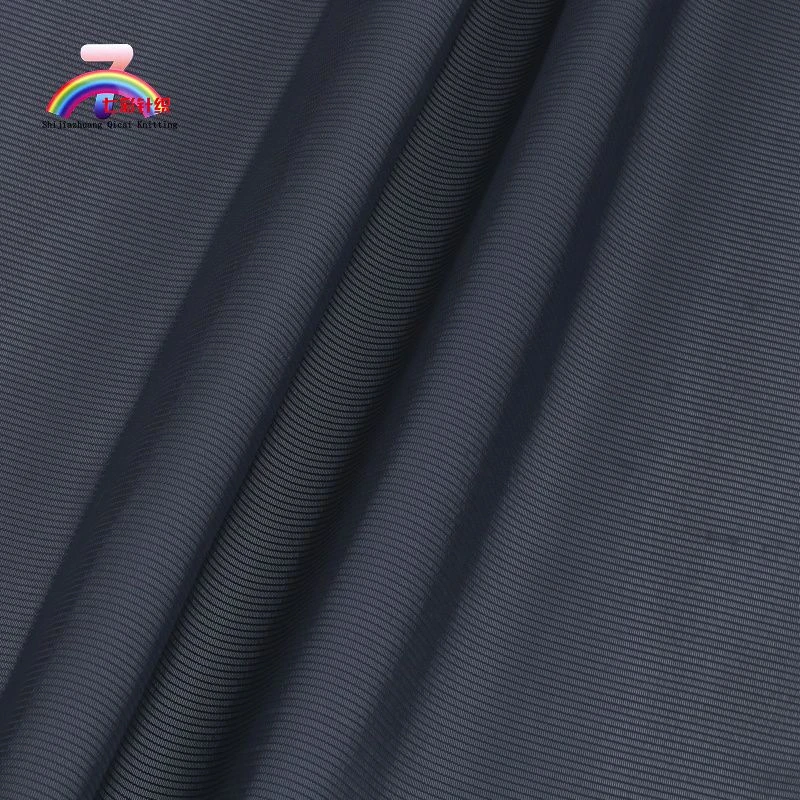
Anti-pollen Screen Mesh Fabric
Made of 100% polyester, pollen window screens are lightweight, dust-blocking window screens. the mesh is very fine and is used for window screens designed to block most airborne allergens and ultra-fine dust.
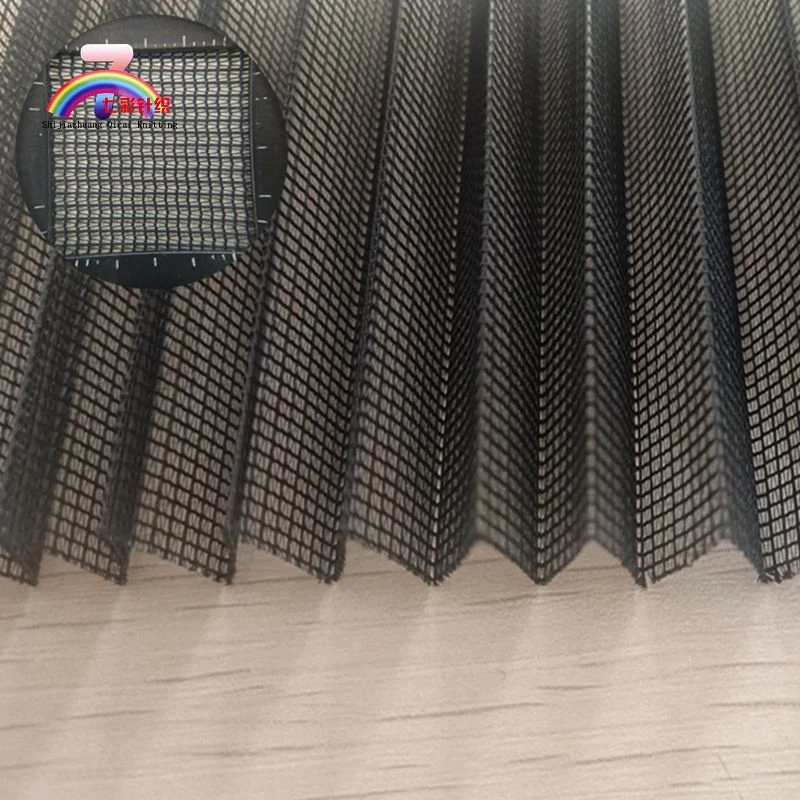
Polyester folding screen is a pleated mesh with strong economic practicality,and it possesses a balance of performance properties such as good flexibility
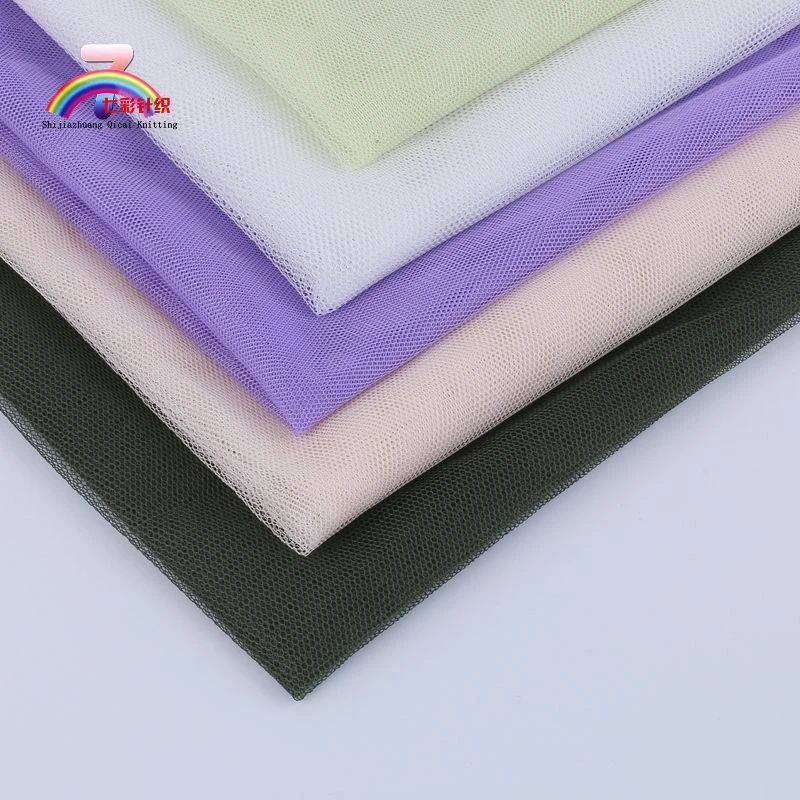
Mosquito mesh fabric can be made into dresses and all kinds of mosquito nets,it also can used for window screen.
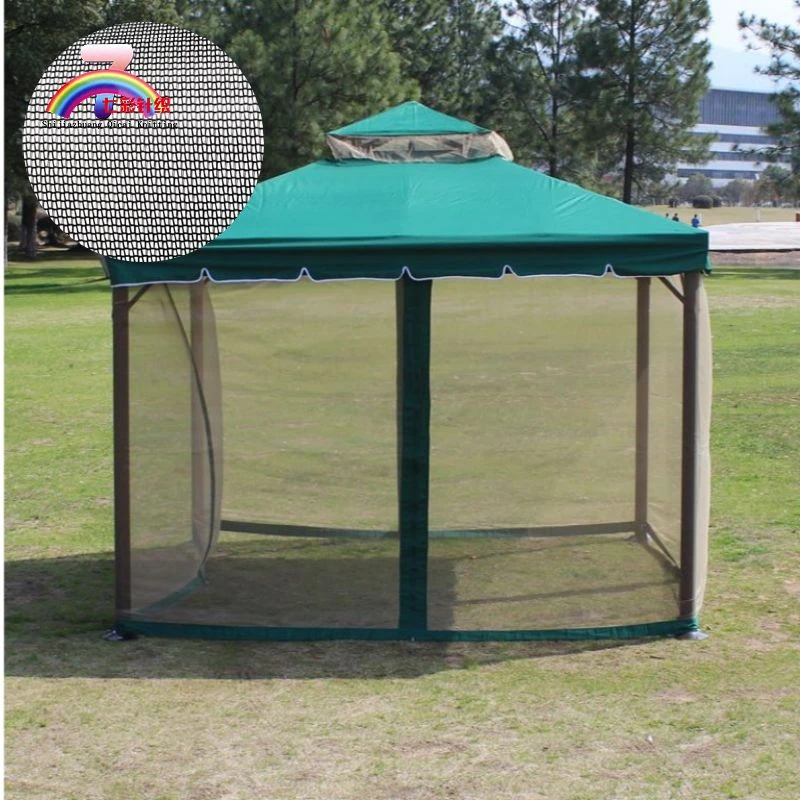
Mesh Fabric For Camping Tent-B3/B4
100%polyester B3/B4 eyelet fabric is a 100% polyester knitted fabric for Camping tent, it can help you avoid mosquito’s infestation.
Contact Us
Insights & Articles
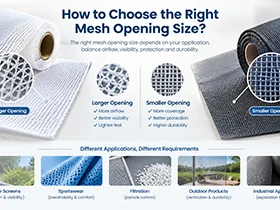
How to Choose the Right Mesh Opening Size?
Learn how to choose the right mesh opening size for airflow, visibility, protection, and different applications, including window screens and sportswear.
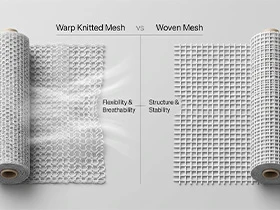
Warp Knitted Mesh vs Woven Mesh: Which Is Better?
Compare warp knitted mesh vs woven mesh by flexibility, stability, airflow, applications, and OEM requirements to choose the right fabric.
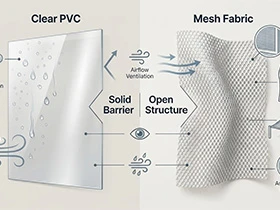
Clear PVC vs Mesh Fabric: Which Material Is Suitable for Your Application?
Compare clear PVC and mesh fabric by airflow, visibility, protection, and applications to choose the right material for your project.
What Specifications Should You Provide When Buying Mesh Fabric?
Why GSM Cannot Predict Fishing Net Strength
Fabric Manufacturer for Medium to Large Businesses: Supporting Scalable Textile Production