What Are the Properties of Mesh?
If you’re sourcing fabrics for sportswear, medical supplies, or industrial applications, understanding the properties of mesh fabric is essential to making the right material choice. Mesh fabric is known for its breathable, lightweight structure—but its usefulness goes far beyond airflow. With advancements in knitting technology and synthetic fibers, mesh fabric today is highly engineered for comfort, function, and durability.
In this article, we’ll explore the key physical and performance characteristics of mesh fabric and why it’s trusted by industries worldwide.
Mesh fabric is a textile that features an open-weave structure with regularly spaced holes. It can be knitted or woven, but warp-knitted polyester mesh is one of the most popular types, especially in applications that require stretch, resilience, and breathability. Mesh can be made from natural or synthetic fibers, though polyester and nylon are the most commonly used materials due to their strength and performance consistency.
Let’s take a closer look at the most important attributes that define mesh fabric and influence its application in various industries:
Perhaps the most recognizable property of mesh fabric is its exceptional breathability. The porous structure allows air and moisture to pass through easily, making mesh ideal for garments, footwear, and medical products where ventilation and moisture management are crucial.
For sourcing managers, breathability is often a top priority, especially for summer collections or healthcare items worn for extended periods.
Mesh is significantly lighter than many solid fabrics, especially when made from synthetic fibers like polyester. This makes it a popular choice for:
Lightweight fabrics help reduce the total product weight—an important feature in performance-driven industries where bulk can hinder usability.
Thanks to its open structure and low moisture absorption (particularly with polyester), mesh fabric dries very quickly. This property is highly valued in:
Fast-drying fabric is not only practical for users—it also helps prevent odor and bacteria buildup, which are key buyer concerns in sports and medical markets.
Despite its airy feel, high-quality mesh fabric—especially warp-knitted polyester mesh—offers strong resistance to tearing and fraying. It holds up well to regular use and repeated washing. Buyers in the footwear and industrial sectors often emphasize durability, expecting fabrics to maintain integrity under constant stress or movement.
Knitted mesh fabrics, in particular, offer moderate to high elasticity, depending on the yarns and construction. This stretch adds comfort in clothing and allows mesh to conform to complex shapes, which is especially important in:
One of mesh fabric’s greatest strengths is its flexibility in design. Manufacturers can control:
This allows product developers to tailor mesh to very specific functional or aesthetic needs, such as filtering capability, softness, or UV resistance.
Polyester mesh holds color well and can be printed using sublimation or other techniques. Buyers in the fashion and branding sectors often need fabrics that maintain vivid colors after repeated laundering or outdoor exposure.
With the right finishing, mesh fabrics can be soft and non-irritating to the skin. For medical and wearable applications, this is crucial. Some mesh materials also undergo antibacterial or moisture-wicking treatments to improve hygiene and user comfort.
For fabric procurement teams, it’s not just about finding mesh—it’s about finding the right mesh that meets technical, aesthetic, and cost requirements. Common pain points and decision factors include:
That’s why working with an experienced, technically capable manufacturer makes a difference.
QicaiKnitting is a comprehensive textile manufacturer specializing in high-quality polyester fabrics, including a wide range of warp-knitted synthetic mesh materials. Backed by proprietary patented technologies and over 10 advanced warp knitting machines with 17 optoelectronic stop-motion systems, QicaiKnitting provides:
Whether you’re sourcing mesh for high-performance sportswear, medical textiles, or industrial products, QicaiKnitting delivers fabrics that meet both functional and commercial expectations.
Understanding the properties of mesh fabric is key to making informed decisions as a buyer or product developer. Mesh’s breathability, lightweight structure, quick-drying nature, and design versatility make it a standout choice across a wide range of industries. The real value lies in choosing the right specifications—and the right supplier—to match your application’s exact requirements.
Looking for a reliable partner in synthetic mesh fabric solutions? QicaiKnitting offers the quality, consistency, and customization you need to bring your ideas to life—efficiently and reliably.
Related products
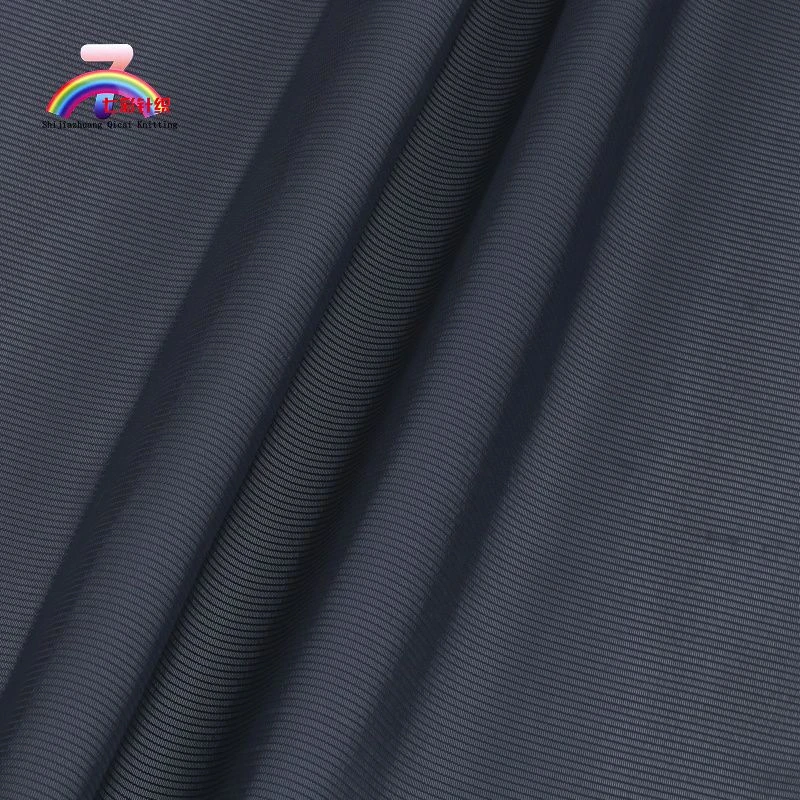
Anti-pollen Screen Mesh Fabric
Made of 100% polyester, pollen window screens are lightweight, dust-blocking window screens. the mesh is very fine and is used for window screens designed to block most airborne allergens and ultra-fine dust.
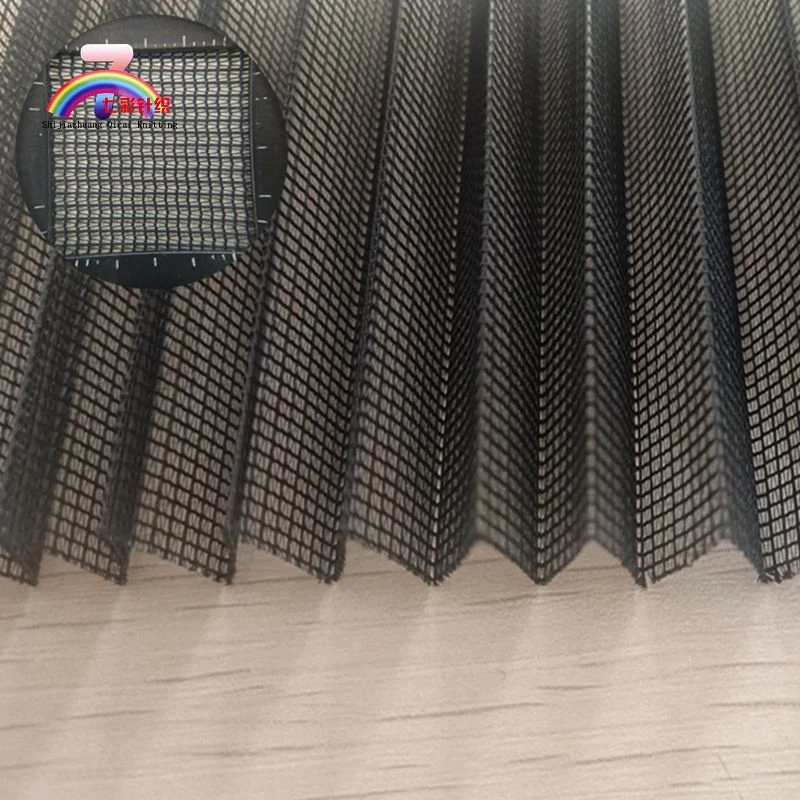
Polyester folding screen is a pleated mesh with strong economic practicality,and it possesses a balance of performance properties such as good flexibility
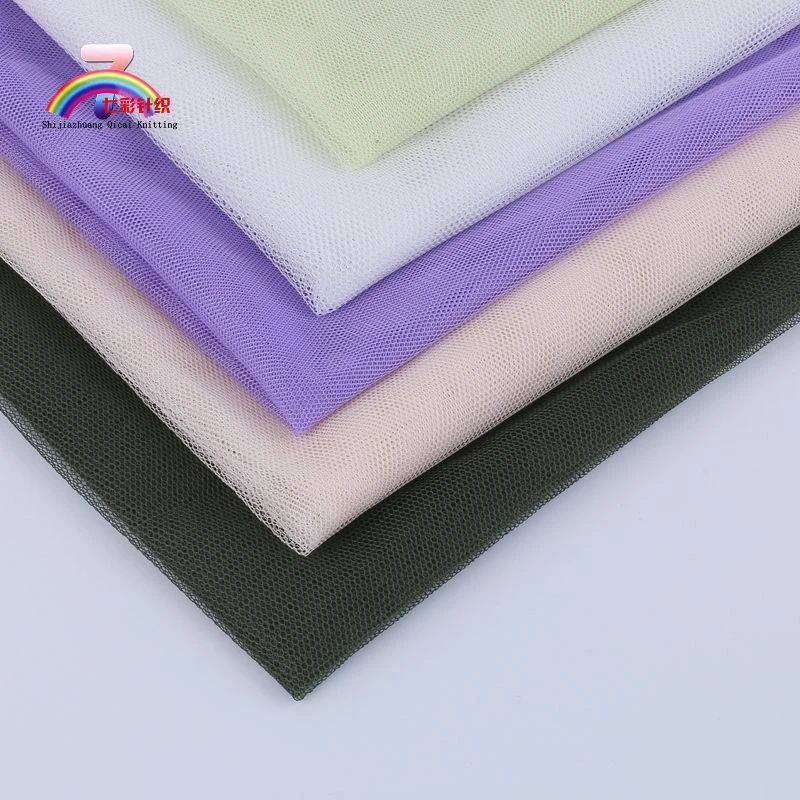
Mosquito mesh fabric can be made into dresses and all kinds of mosquito nets,it also can used for window screen.
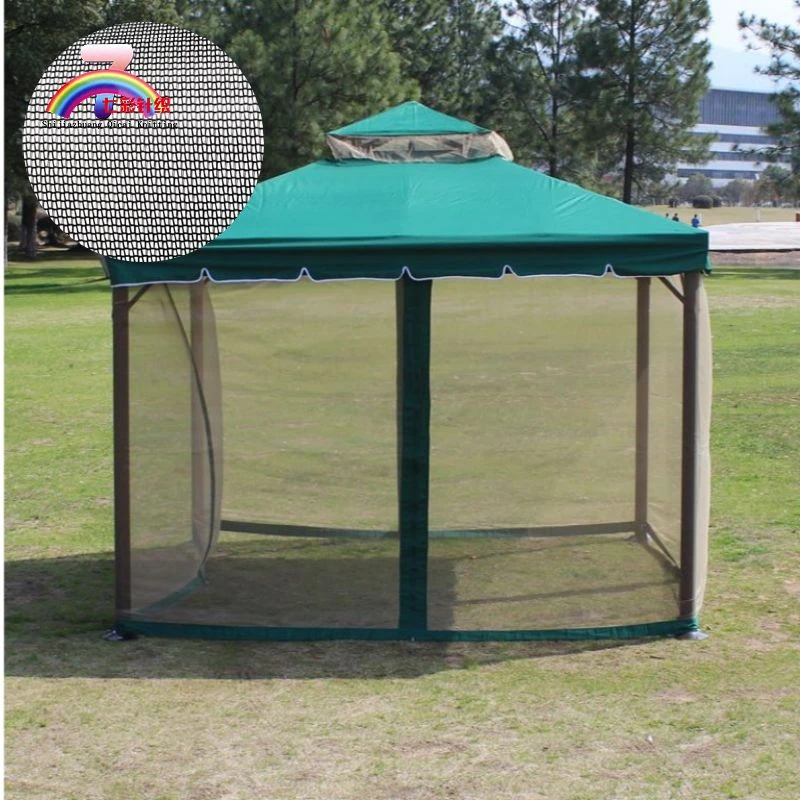
Mesh Fabric For Camping Tent-B3/B4
100%polyester B3/B4 eyelet fabric is a 100% polyester knitted fabric for Camping tent, it can help you avoid mosquito’s infestation.
Contact Us
Insights & Articles
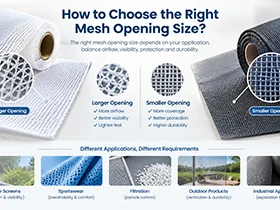
How to Choose the Right Mesh Opening Size?
Learn how to choose the right mesh opening size for airflow, visibility, protection, and different applications, including window screens and sportswear.
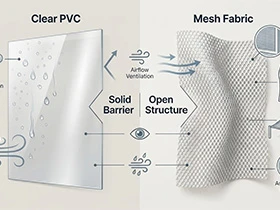
Clear PVC vs Mesh Fabric: Which Material Is Suitable for Your Application?
Compare clear PVC and mesh fabric by airflow, visibility, protection, and applications to choose the right material for your project.
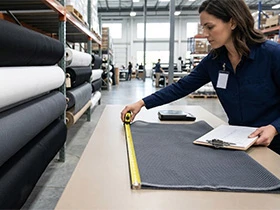
What Specifications Should You Provide When Buying Mesh Fabric?
Why GSM Cannot Predict Fishing Net Strength
Fabric Manufacturer for Medium to Large Businesses: Supporting Scalable Textile Production