What is Polyester in Cloth?
Polyester in cloth refers to a synthetic fiber made from petroleum-based polymers, commonly used in clothing, home textiles, and industrial fabrics. It’s known for being durable, wrinkle-resistant, lightweight, and affordable. Over the years, polyester has become one of the most widely used materials in the textile industry thanks to its versatility and performance.
If you've ever worn athletic wear, slept on a microfiber sheet, or owned a wrinkle-free shirt, chances are you've experienced the benefits of cloth polyester.
Polyester is a type of plastic, scientifically known as polyethylene terephthalate (PET). It is made through a chemical reaction involving petroleum, air, and water. Once produced, the polyester material is spun into fibers and then woven or knit into fabric.
Cloth polyester can be used on its own or blended with natural fibers like cotton or wool. These blends often combine the strength and durability of polyester with the softness and breathability of natural materials.
Here are some of the main characteristics that make polyester such a popular choice in clothing and fabric:
Polyester is incredibly strong. It resists stretching and shrinking, holds its shape well, and is resistant to abrasions. This makes it ideal for activewear and uniforms.
Unlike natural fibers, polyester doesn’t wrinkle easily and doesn’t shrink when washed—making it perfect for low-maintenance clothing.
Polyester doesn’t absorb moisture like cotton. Instead, it wicks sweat away from the skin, which is why it's commonly used in sportswear.
Most polyester fabrics are lightweight and have a smooth texture. Depending on how the fiber is woven, it can mimic the feel of silk, cotton, or wool.
Polyester fabric holds dye exceptionally well. That means colors stay vibrant and don’t fade as quickly as with some natural fibers.
There isn’t just one type of polyester used in fabric. The following are some common forms:
This is the most common type and is used in everything from T-shirts to bed sheets.
This variant has more elasticity and is often used in heavier applications like upholstery and curtains.
Made from recycled plastic bottles, rPET offers an eco-friendlier alternative to virgin polyester, with similar durability and performance.
Polyester is one of the most versatile fabrics on the market. Here’s where you’ll typically find it:
Blended polyester (e.g., poly-cotton) is also used for T-shirts and casual wear to offer breathability with added durability.
Let’s look at both sides of the coin.
How does polyester compare to other popular fabrics?
| Feature | Polyester | Cotton | Nylon |
|---|---|---|---|
| Breathability | Low | High | Medium |
| Durability | High | Medium | High |
| Wrinkle-Resistant | Yes | No | Yes |
| Moisture-Wicking | Yes | No | Yes |
| Cost | Low | Medium | Medium–High |
Polyester wins when it comes to price, durability, and ease of maintenance—but cotton is still preferred for breathability and softness.
Traditionally, no—because it’s petroleum-based and non-biodegradable. However, recycled polyester (rPET) has made strides in reducing environmental impact. Many fashion brands now use rPET to help reduce plastic waste and carbon emissions.
If you're looking for sustainable options, always check the label to see if the polyester is recycled.
Caring for a cloth polyester is easy:
Because polyester dries quickly and resists wrinkles, it’s a great option for people who want a low-maintenance wardrobe.
Cloth polyester is a durable, budget-friendly, and versatile fabric used in everything from fashion to home decor. While it may not be as breathable as cotton, its easy-care nature and resistance to wear make it a go-to material for modern lifestyles.
As sustainable innovations like recycled polyester continue to grow, this synthetic fiber is becoming even more relevant in today’s eco-conscious world.
Whether you're shopping for clothes, sourcing fabric, or simply curious about materials, understanding what polyester is can help you make smarter textile decisions.
If you’d like to explore polyester mesh fabrics or find a reliable manufacturer, check out Qicai Knitting – your trusted partner in quality polyester textiles.
Related products
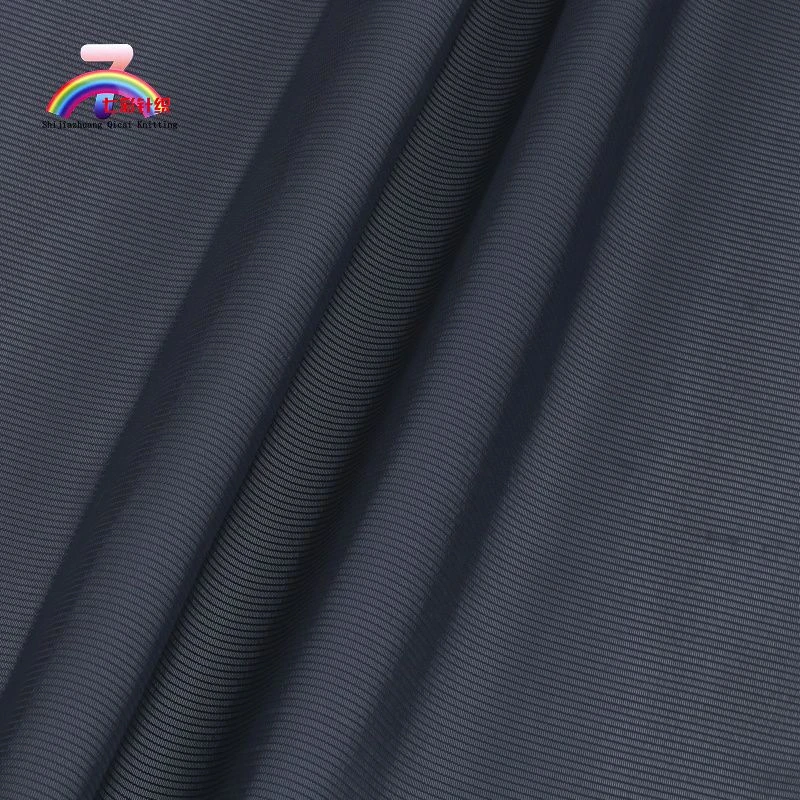
Anti-pollen Screen Mesh Fabric
Made of 100% polyester, pollen window screens are lightweight, dust-blocking window screens. the mesh is very fine and is used for window screens designed to block most airborne allergens and ultra-fine dust.
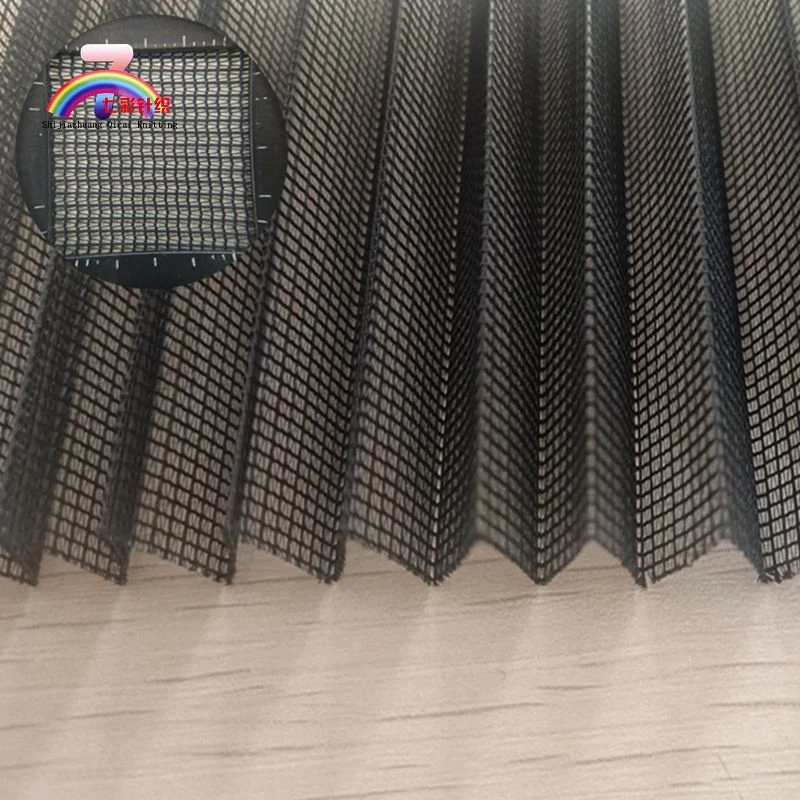
Polyester folding screen is a pleated mesh with strong economic practicality,and it possesses a balance of performance properties such as good flexibility
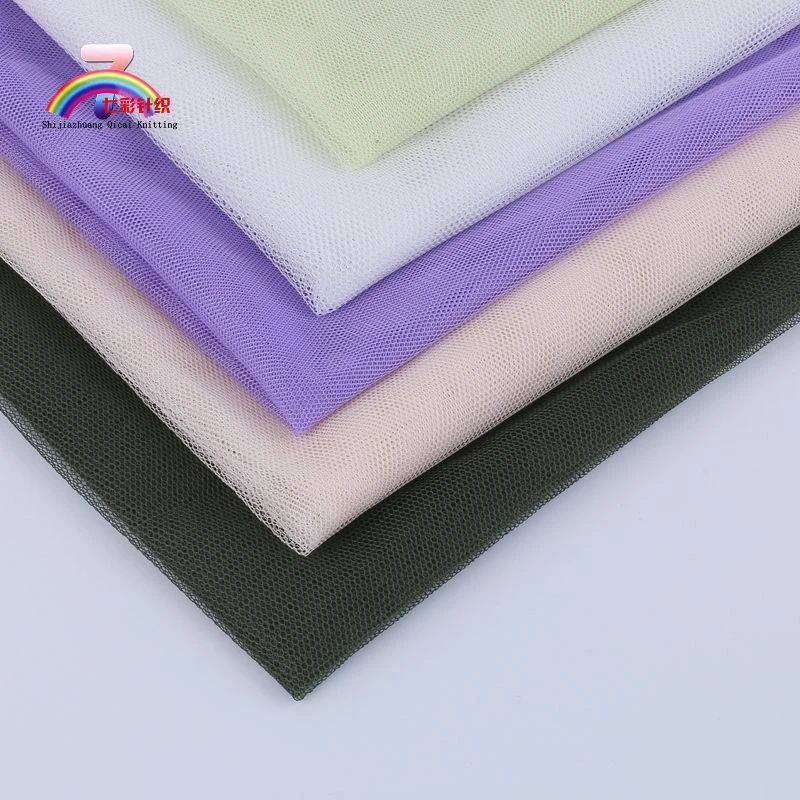
Mosquito mesh fabric can be made into dresses and all kinds of mosquito nets,it also can used for window screen.
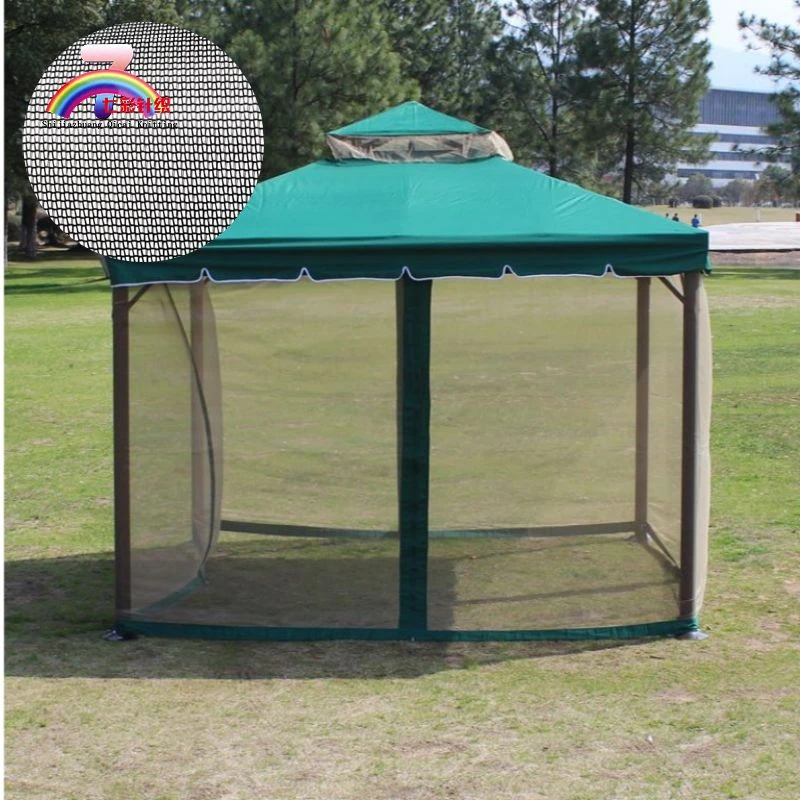
Mesh Fabric For Camping Tent-B3/B4
100%polyester B3/B4 eyelet fabric is a 100% polyester knitted fabric for Camping tent, it can help you avoid mosquito’s infestation.
Contact Us
Insights & Articles
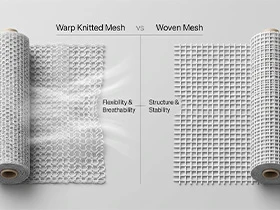
Warp Knitted Mesh vs Woven Mesh: Which Is Better?
Compare warp knitted mesh vs woven mesh by flexibility, stability, airflow, applications, and OEM requirements to choose the right fabric.
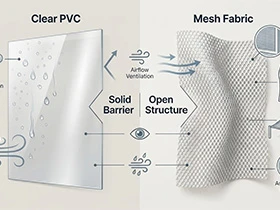
Clear PVC vs Mesh Fabric: Which Material Is Suitable for Your Application?
Compare clear PVC and mesh fabric by airflow, visibility, protection, and applications to choose the right material for your project.
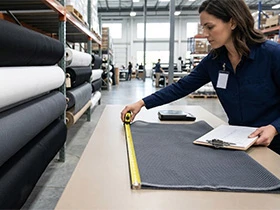
What Specifications Should You Provide When Buying Mesh Fabric?
Why GSM Cannot Predict Fishing Net Strength
Fabric Manufacturer for Medium to Large Businesses: Supporting Scalable Textile Production


