What is Polyester Knit Fabric?
Greetings! I’m Jiaru Gao, and for over a decade, my team at Qicai Knitting has been weaving innovation into every yard of polyester knit fabric we produce. Today, I’m here to unravel the secrets of this unsung hero of modern textiles—no jargon, just insights. Whether you’re a fashion designer, a sustainability advocate, or simply curious, let’s stitch together a story of durability, versatility, and why your gym leggings probably owe us a thank-you note.
Definition: Polyester knit fabric is a textile crafted from synthetic polyester fibers using a knitting technique (think loops, not woven grids). This marriage of polymer science and intricate stitching creates a fabric that’s stretchy, resilient, and ready for action.
Why It Matters: Unlike rigid woven fabrics, knitting gives polyester a natural elasticity—perfect for hugging curves or surviving spin class. Polyester itself, born from petroleum derivatives, brings water resistance, color retention, and a rebellious refusal to wrinkle.
A Quick History: Polyester exploded onto the scene in the 1940s as a “miracle fiber,” while knitting machines evolved from clunky Victorian-era gadgets to today’s AI-driven precision tools. Together, they’ve revolutionized everything from athleisure to aerospace interiors.
Step 1: Polymer Party
We start with PET pellets (the same stuff as your soda bottle). Melted and extruded into filaments, these fibers are spun into yarns finer than a spider’s silk—or chunky enough for a cozy sweater.
Step 2: Dyeing Drama
Here’s where Qicai shines: our proprietary dyeing process uses 30% less water than conventional methods (take that, thirsty cotton). The result? Colors that stay vibrant even after 50 washes.
Step 3: Knitting Wizardry
Circular knitting machines (some as wide as a school bus) loop yarns into fabric at speeds that’d make Usain Bolt sweat. Want moisture-wicking gymwear? We tweak the stitch density. Need buttery-soft loungewear? Adjust the fiber blend.
Quality Control: Every batch undergoes a “torture test” at our in-house lab—abrasion resistance checks, UV exposure trials, and even a simulated toddler’s spaghetti attack (trust me, it’s science).
Superpowers:
Durability: Survives 2x more wash cycles than cotton (per ASTM D4157 testing).
Stretch: 25-30% elasticity without spandex—ideal for compression wear.
Low Maintenance: Air-dries in 2 hours; wrinkles? Never heard of her.
Vs. Natural Fibers:
Cotton: Loses shape after 10 washes; guzzles water (2,700 liters per T-shirt!).
Wool: Expensive, itchy, and high-maintenance.
Real-World Wins:
Patagonia’s Recycled Line: Uses our rPET knits (made from ocean plastic) for their bestselling fleeces.
Hospital Scrubs: Antimicrobial finishes + stretch = 12-hour shifts without a meltdown.
Fashion: Seamless activewear (Lululemon’s “Luxtreme” is a polyester knit in disguise).
Home Textiles: Fade-resistant couch covers that survive sunbeams and juice boxes.
Industrial: Lightweight insulation for electric car batteries (yes, Tesla’s a client).
Market Stats:
Global polyester knit market: $45.2B by 2025 (Grand View Research).
68% of sportswear brands now prioritize polyester blends (Textile Exchange, 2023).
Progress:
Recycling: 1 ton of rPET saves 6.5 barrels of oil. Qicai’s 2025 goal: 50% recycled content.
Certifications: OEKO-TEX Standard 100 (no nasty chemicals), GRS (Global Recycled Standard).
Work in Progress:
Microplastic shedding is our industry’s dirty laundry. We’re piloting biodegradable coatings and lobbying for better washing machine filters.
Wash Cold: Saves energy + prevents pilling.
Related products
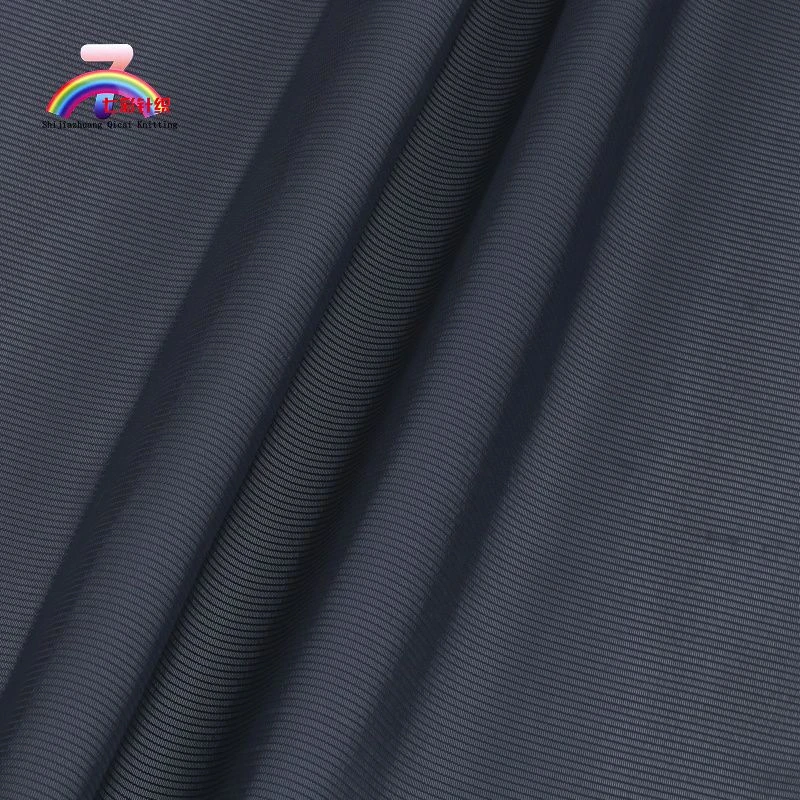
Anti-pollen Screen Mesh Fabric
Made of 100% polyester, pollen window screens are lightweight, dust-blocking window screens. the mesh is very fine and is used for window screens designed to block most airborne allergens and ultra-fine dust.
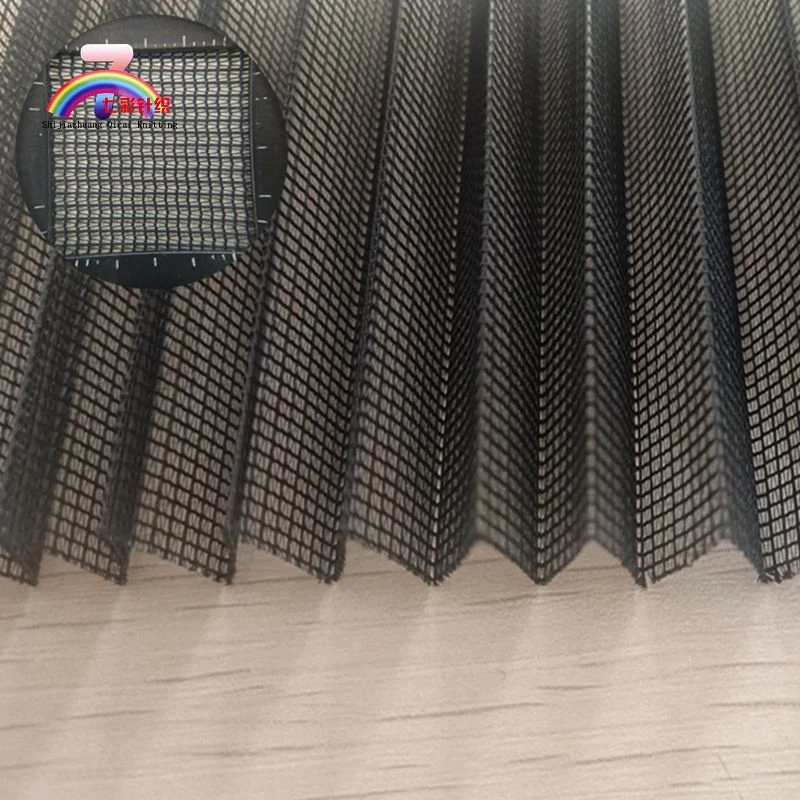
Polyester folding screen is a pleated mesh with strong economic practicality,and it possesses a balance of performance properties such as good flexibility
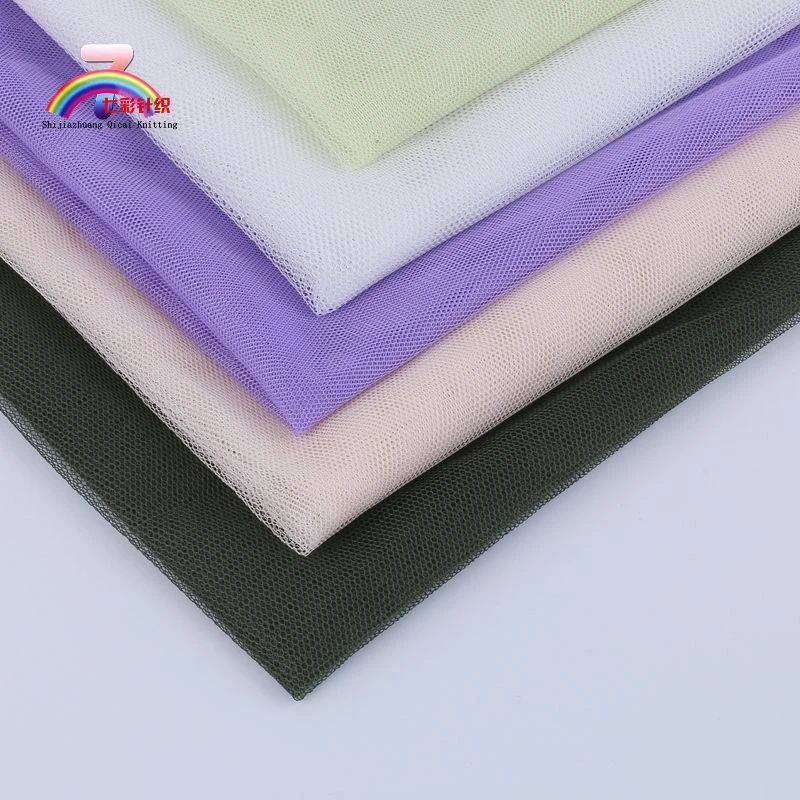
Mosquito mesh fabric can be made into dresses and all kinds of mosquito nets,it also can used for window screen.
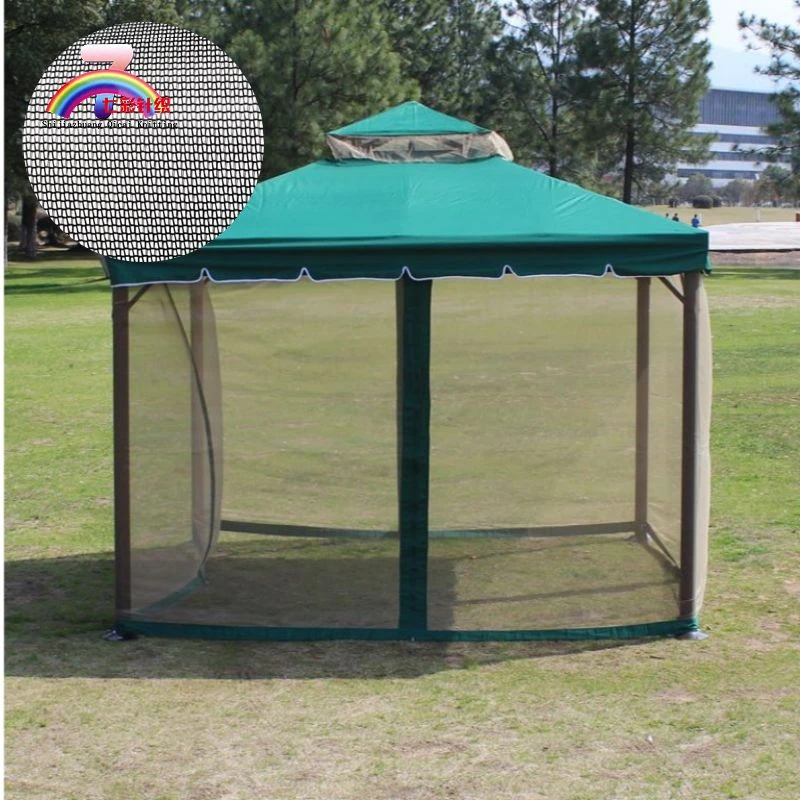
Mesh Fabric For Camping Tent-B3/B4
100%polyester B3/B4 eyelet fabric is a 100% polyester knitted fabric for Camping tent, it can help you avoid mosquito’s infestation.
Contact Us
Insights & Articles
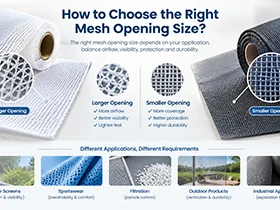
How to Choose the Right Mesh Opening Size?
Learn how to choose the right mesh opening size for airflow, visibility, protection, and different applications, including window screens and sportswear.
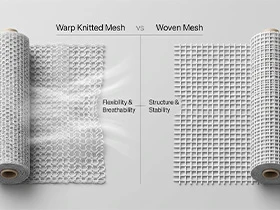
Warp Knitted Mesh vs Woven Mesh: Which Is Better?
Compare warp knitted mesh vs woven mesh by flexibility, stability, airflow, applications, and OEM requirements to choose the right fabric.
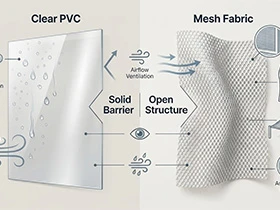
Clear PVC vs Mesh Fabric: Which Material Is Suitable for Your Application?
Compare clear PVC and mesh fabric by airflow, visibility, protection, and applications to choose the right material for your project.
What Specifications Should You Provide When Buying Mesh Fabric?
Why GSM Cannot Predict Fishing Net Strength
Fabric Manufacturer for Medium to Large Businesses: Supporting Scalable Textile Production