
How to Choose the Best Headliner Fabric for Your Car
Dec. 13, 2024
Your car's headliner, often called the "car roof lining material," plays an essential role in both functionality and aesthetics. It's not just about appearance—this fabric helps insulate your vehicle, reduce noise, and protect the interior from heat and cold. Choosing the right headliner fabric material is key to maintaining comfort and style in your car.
The Purpose of Automotive Headliner Fabric
The automotive headliner fabric is more than just a decorative element. Here's why it's important:
Thermal Insulation: It helps regulate the temperature inside your car by creating a barrier against heat or cold.
Soundproofing: The fabric, combined with foam backing, reduces noise from the engine, road, and external environment.
Aesthetic Appeal: A well-chosen headliner fabric enhances the overall look of your vehicle's interior, adding a touch of luxury or personality.
Protective Layer: The material shields the car's ceiling structure, preventing damage and wear over time.
Types of Automotive Headliner Fabric
When selecting a fabric for headliner, you'll encounter various options, each with its own set of pros and cons. Let's look at some popular choices:
1. Polyester Headliner Fabric
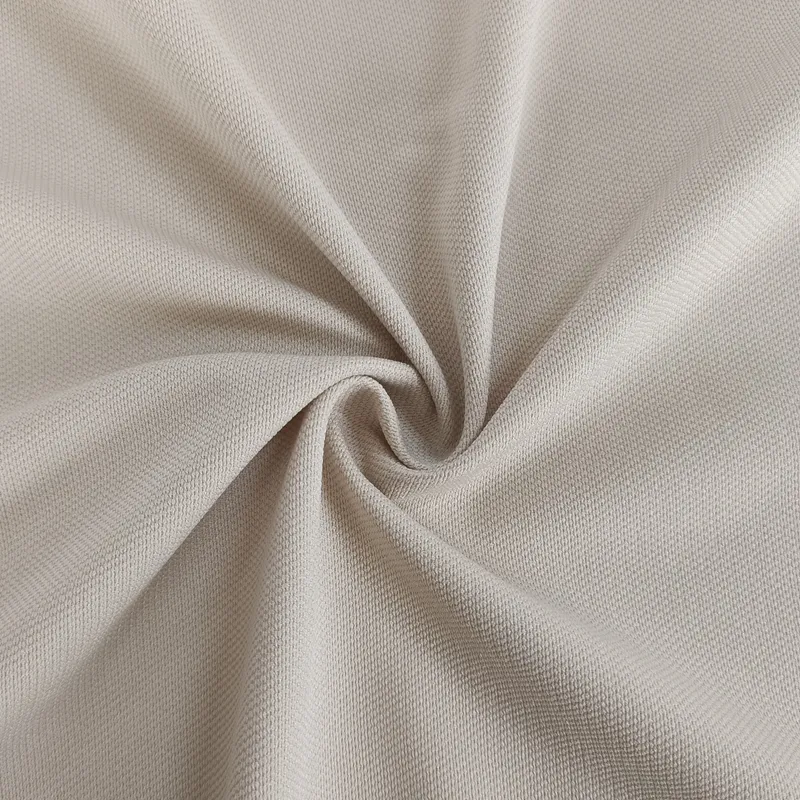
Polyester fabrics are a classic choice for car roof lining material.
Advantages:
Lightweight and easy to install.
Soft and available in various colors and patterns.
Affordable and widely available.
Disadvantages:
Less durable compared to vinyl.
May sag over time if not properly maintained.
Maintenance Tips: Vacuum regularly to keep it clean and prevent dust buildup.
2. Foam-Backed Vinyl Headliner
This material combines durability with affordability, making it a popular option for many vehicles.
Advantages:
Water-resistant, making it ideal for regions with high humidity.
Easy to clean and maintain.
Long-lasting and resistant to wear.
Disadvantages:
Limited in aesthetic appeal; less luxurious compared to other materials.
Can feel rigid and less comfortable.
Maintenance Tips: Wipe with a damp cloth regularly to remove dirt and prevent mold buildup.
3. Marine Vinyl Fabric
Originally designed for boats, this material is incredibly robust and waterproof.
Advantages:
Exceptional resistance to moisture, making it great for convertible cars or vehicles exposed to rain.
Easy to install and clean.
Disadvantages:
Limited color and texture options.
Can feel too industrial for some car interiors.
Maintenance Tips: Use mild soap and water to clean; avoid harsh chemicals that can damage the surface.
4. Faux Leather Crocodile
For those seeking a bold and stylish interior, faux leather crocodile is an eye-catching choice.
Advantages:
Offers a unique and luxurious appearance.
Durable and resistant to scratches.
Disadvantages:
Higher cost compared to other materials.
Requires regular upkeep to maintain its look.
Maintenance Tips: Use a leather conditioner and avoid prolonged exposure to direct sunlight.
5. Royal Velvet
This fabric adds a touch of opulence to your car's interior.
Advantages:
Soft and luxurious to the touch.
Available in rich colors that elevate interior design.
Disadvantages:
Difficult to clean and maintain.
Prone to stains and fading over time.
Maintenance Tips: Use a soft brush or vacuum to clean; avoid moisture.
Factors to Consider When Choosing a Headliner Fabric
Picking the right material for headliner depends on your needs, preferences, and vehicle type. Here are some factors to keep in mind:
Durability: Consider how long the material will last and its resistance to wear, tear, and environmental factors.
Ease of Installation: If you're planning a DIY project, opt for a lightweight and flexible material like polyester.
Aesthetic Appeal: Choose a fabric that complements your car's interior and suits your style.
Climate Resistance: For humid or rainy climates, water-resistant materials like marine vinyl are ideal.
Budget: Some materials, like royal velvet or faux leather, offer luxury but may exceed a tight budget.
Maintenance: Consider how much time and effort you're willing to spend keeping the headliner clean and in good condition.
How to Maintain Your Headliner Fabric
Regardless of the material you choose, proper maintenance can prolong the life of your fabric for headliner:
Regular Cleaning: Dust or vacuum the surface to prevent dirt accumulation.
Spot Cleaning: Address stains immediately using appropriate cleaning solutions for the fabric type.
Avoid Excessive Moisture: Moisture can cause sagging, especially in materials like polyester or velvet.
Protect from Sunlight: Use sunshades or window tints to prevent fading and cracking in materials like faux leather.
Final Thoughts
Choosing the right headliner fabric material can transform the look and feel of your car's interior while ensuring durability and comfort. Whether you prefer the water-resistance of marine vinyl, the luxurious feel of royal velvet, or the bold style of faux leather crocodile, there's a perfect option for every car and budget.
Take your time to evaluate your needs and consider factors like durability, aesthetics, and maintenance before making a decision. With the right automotive headliner fabric, your car's interior will be both functional and stylish for years to come.

