
Mesh Fabric: History and Application
Jan. 26, 2025
Mesh fabric, known for its breathable and lightweight qualities, is widely used across various industries. But how did it come into existence? What materials are used to create mesh fabrics, and how do their shapes influence their applications? This article delves into the history, materials, shapes, and diverse applications of mesh fabric, providing a comprehensive overview of its evolution and utility.
1. The History of Mesh Fabric
The origin of mesh fabric dates back to the early 20th century. The invention is often credited to Lewis Haslam, an Englishman who in 1888 developed Aertex, a perforated fabric designed for breathable clothing. While Aertex wasn't a modern mesh, it laid the groundwork for the concept of breathable textiles.
Mesh fabric as we know it emerged in the mid-20th century, primarily in sportswear and industrial applications. It was initially crafted to address the need for lightweight and durable materials that could provide ventilation. The introduction of synthetic fibers like polyester and nylon during this period revolutionized the production of mesh fabrics, offering enhanced strength, elasticity, and moisture resistance. Over the decades, innovations in weaving and knitting technologies have allowed mesh to evolve into various forms, catering to specific functional and aesthetic demands.
2. Materials Used in Mesh Fabric
Mesh fabric is made from a variety of materials, each offering unique properties tailored to different applications:
Polyester Fibers: Polyester is the most common material for mesh fabric due to its durability, moisture-wicking ability, and resistance to stretching and shrinking. It is widely used in sportswear, outdoor gear, and industrial fabrics.
Nylon: Known for its strength and elasticity, nylon mesh is commonly used in bags, medical equipment, and fishing nets.
Cotton: Cotton-based mesh fabrics are softer and more eco-friendly, making them popular in casual clothing and household items.
Spandex/Elastane: Often blended with other fibers, spandex adds stretchability to mesh, ideal for form-fitting garments like activewear and lingerie.
Metallic Fibers: For specialized applications, such as architectural or industrial use, metallic meshes offer strength and aesthetic appeal.
Recycled Materials: Increasingly, recycled polyester and other sustainable materials are used in mesh fabric production, aligning with eco-conscious practices.
3. Shapes of Mesh Fabric and Their Characteristics
Mesh fabric comes in various shapes, each serving distinct purposes. These include:
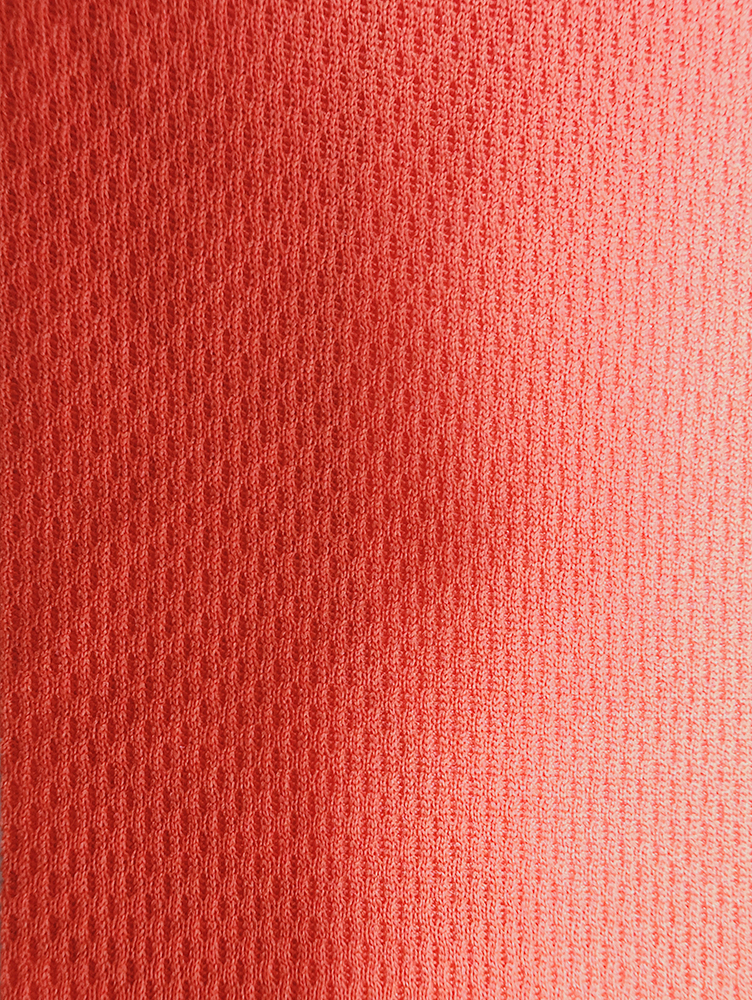
1. Bird's Eye Mesh (Birdseye Mesh)
Characteristics: Features small, oval-shaped holes resembling a bird's eye.
Applications: Commonly used in sportswear and baby clothing due to its high breathability and soft texture.
2. Square Mesh (Square Netting)
Characteristics: Uniform, square-shaped holes that offer a balance between structure and flexibility.
Applications: Widely used in industrial applications, agricultural nets, and fencing.

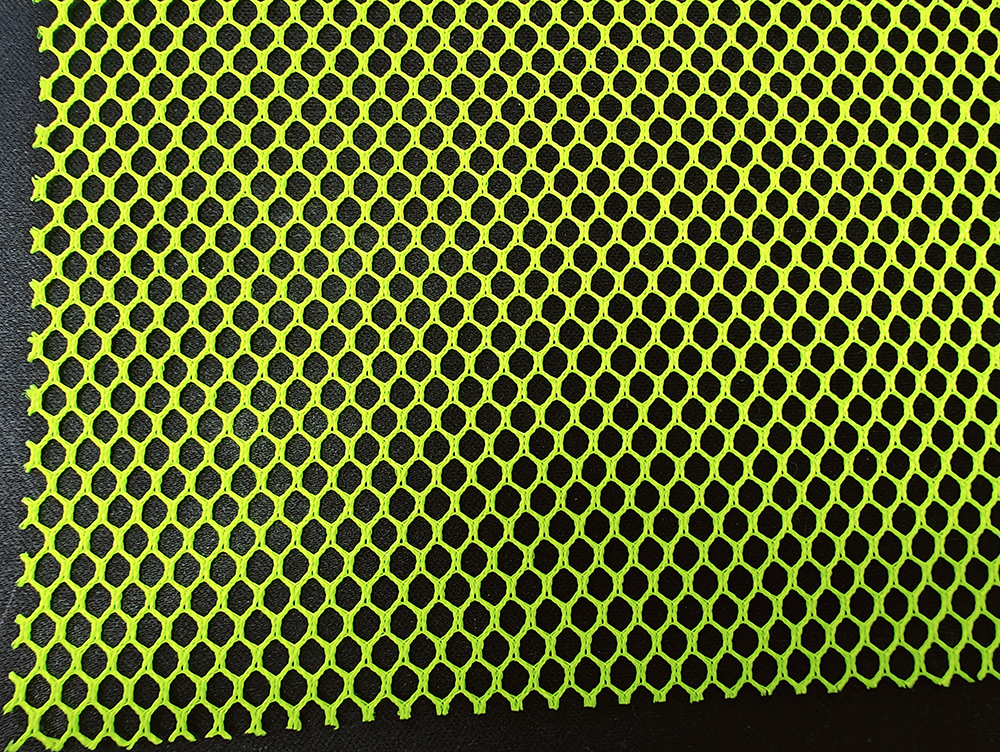
3. Small Hexagonal Mesh
Characteristics: Fine hexagonal patterns provide a sleek and lightweight structure.
Applications: Popular in delicate garments, such as lingerie and decorative items.

4. Large Hexagonal Mesh
Characteristics: Larger hexagonal holes enhance ventilation and reduce weight.
Applications: Found in sports accessories, backpacks, and certain types of construction materials.
5. Diamond Mesh (Rhombus Netting)
Characteristics: Features diamond-shaped holes, offering a unique aesthetic and structural strength.
Applications: Often used in fencing, automotive seat covers, and shoe uppers.

6. Irregular Hole Mesh
Characteristics: Non-uniform patterns that add visual interest and specific functional benefits.
Applications: Frequently used in fashion design, industrial screens, and artistic installations.
4. Applications of Mesh Fabric
Mesh fabric has found applications across numerous industries due to its versatility. Below are some notable examples:
1. Apparel Industry
Sportswear: Mesh is a staple in activewear due to its breathability, moisture-wicking, and lightweight properties. It is used in jerseys, shorts, and jackets.
Casual Wear: Mesh panels are often added for ventilation and style in everyday clothing.
Undergarments: Soft and stretchable mesh fabrics enhance comfort and fit in lingerie and innerwear.
2. Automotive Industry
Mesh is used in seat covers, headrests, and sunshades for its durability, breathability, and aesthetic appeal.
3. Medical Field
Mesh fabric is employed in medical braces, bandages, and surgical mesh due to its lightweight structure and flexibility.
4. Industrial Use
Filtration Systems: Fine mesh fabrics are used in air and water filtration.
Packaging: Mesh bags for agricultural products like fruits and vegetables are durable and breathable.
Safety Equipment: High-strength meshes are incorporated into safety gear, such as harnesses and nets.
5. Home Textiles
Mesh is used in laundry bags, curtains, and organizers for its breathability and ease of maintenance.
6. Sporting Goods
Besides sportswear, mesh fabric is utilized in equipment like nets, bags, and padding for its strength and flexibility.
7. Architecture and Design
Metal and fabric meshes are increasingly used in architectural designs for façades, partitions, and shading systems, blending functionality with aesthetics.
8. Eco-Friendly Products
Recycled mesh fabrics are gaining popularity in tote bags, reusable packaging, and sustainable fashion items.
Conclusion
Mesh fabric has come a long way since its invention, transforming from a simple breathable textile to a versatile material used across industries. With various materials, shapes, and applications, mesh fabric continues to evolve, meeting the demands of functionality, sustainability, and innovation. Whether it's in sportswear, industrial equipment, or architectural design, mesh fabric proves to be an indispensable element in modern life.
About Qicai: Knitted Fabric Manufacturer
Qicai is a leading manufacturer specializing in knitted fabrics, with a focus on producing high-quality polyester mesh fabrics. Our polyester mesh fabrics are known for their exceptional durability, flame resistance, and abrasion resistance. They meet various international standards, making them suitable for both household and industrial applications. For more details about our products and their versatility, please visit our website(https://www.qicaiknitting.com/products.html).