
Properties of Polyester Fiber: Strength, Durability & More
Aug. 15, 2025
Polyester fiber has earned its place as one of the most widely used materials in the textile industry, thanks to its impressive combination of durability, versatility, and cost-effectiveness. From sportswear and home textiles to industrial applications, its performance characteristics make it a preferred choice for manufacturers and consumers alike. Understanding the key properties of polyester fiber can help fabric buyers make better sourcing decisions and match the right material to the right application.
Strength and Durability
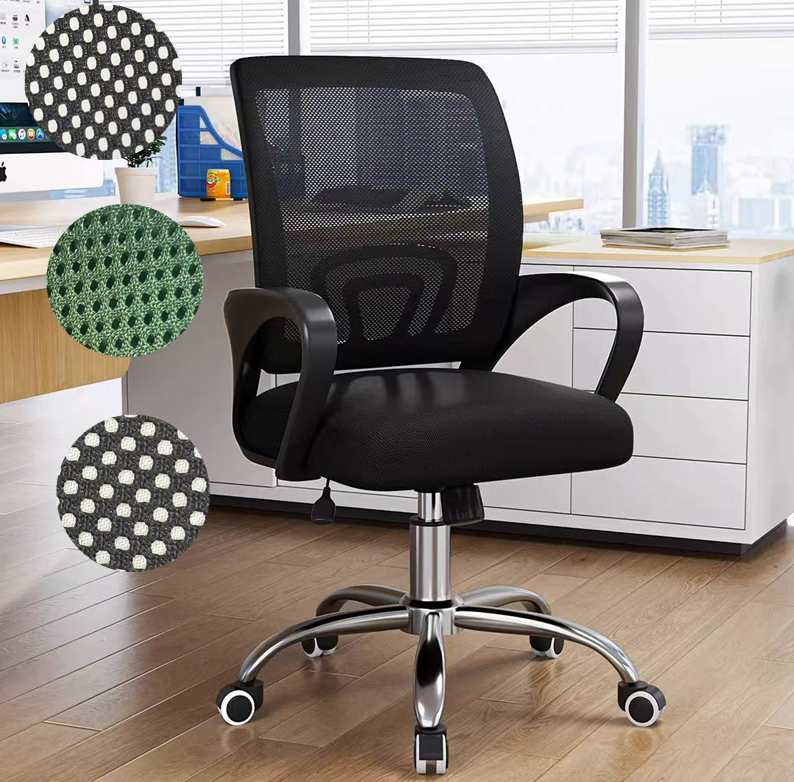
One of polyester fiber’s most celebrated feat ures is its high tensile strength. It can withstand considerable stretching without breaking, making it ideal for products that experience regular wear and tear. Unlike natural fibers such as cotton, polyester maintains its integrity even after multiple washes, which is a key reason why it is commonly used in uniforms, outdoor gear, and upholstery fabrics.
Resistance to Wrinkles and Shrinkage
Polyester fiber is inherently wrinkle-resistant, which means garments retain their shape and appearance for longer periods without the need for frequent ironing. It also resists shrinkage, ensuring that the fabric dimensions remain stable even after repeated laundering—a major advantage for apparel manufacturers and consumers seeking low-maintenance clothing.
Moisture and Stain Resistance
While polyester fiber is not as breathable as some natural fibers, it offers significant resistance to moisture absorption. This hydrophobic property helps it dry quickly and prevents water from damaging the fibers. Additionally, polyester is less likely to stain because liquids tend to bead up on the surface, making it popular for activewear, outerwear, and table linens.
Color Retention
Polyester fiber holds dyes exceptionally well, thanks to its non-porous structure. Fabrics maintain vibrant colors for longer periods, even when exposed to sunlight and frequent washing. This colorfastness is a major benefit for manufacturers producing fashion-forward collections and for end-users who want garments that look new for longer.
Elasticity and Shape Retention
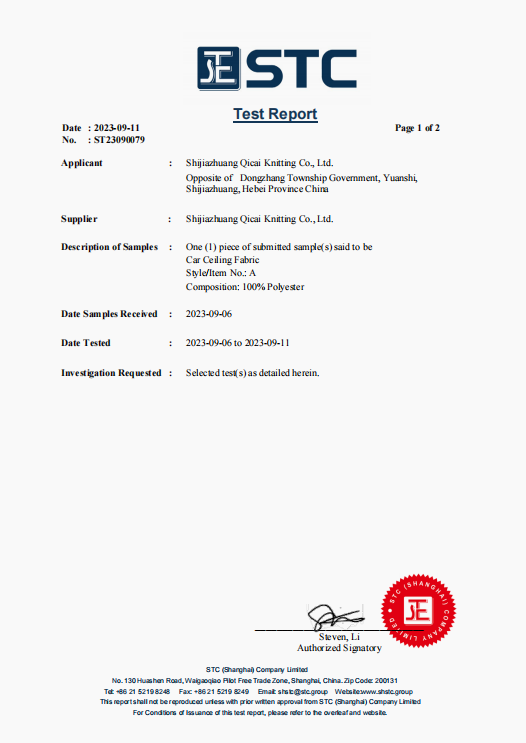
Although polyester fibers are not as naturally elastic as spandex, they offer enough stretch to contribute to fabric resilience. Blending polyester with other fibers can enhance flexibility while preserving shape retention—an important factor in sportswear, fitted garments, and stretchable industrial fabrics.
Resistance to Mold and Pests
Polyester fiber’s synthetic nature makes it highly resistant to biological damage. Unlike natural fibers, it is not a food source for moths or other fabric pests, and it resists mold growth in damp environments. This property increases its lifespan, especially in humid climates or for outdoor applications.
Thermal Properties
Polyester fiber has good insulating capabilities, making it suitable for both warm and cool weather clothing when engineered correctly. Hollow polyester fibers, for example, can trap air and provide warmth, while lightweight polyester mesh can be used for cooling sports apparel.
Conclusion
Polyester fiber’s properties make it a powerhouse material in the global textile market. Its strength, wrinkle resistance, quick-drying nature, colorfastness, and resistance to biological damage offer unmatched versatility. For fabric buyers, understanding these characteristics is essential to selecting the right polyester blend or construction for specific product needs.
Looking for a trusted partner in polyester fabric sourcing? Qicaiknitting specializes in high-quality polyester materials with advanced knitting technology. With over 10 warp knitting machines and 17 optical stop-motion machines, we provide customized solutions tailored to your project requirements. Contact us today to discuss how our expertise can elevate your next textile collection.