
The Complete Guide to Mesh Material Fabric: Types, Uses, and How to Source It
Feb. 28, 2026
What is a mesh fabric material? Simply put, a mesh fabric material is a loosely woven or knitted textile characterized by a porous surface with closely spaced holes. This unique open-weave structure makes the fabric highly breathable, lightweight, and flexible. Typically manufactured from durable synthetic yarns like polyester or nylon, mesh is widely used in sportswear, medical gear, and industrial applications because it allows moisture, heat, and air to escape quickly and efficiently.
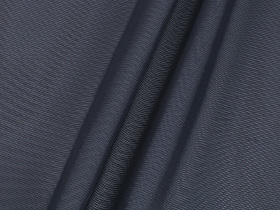
If you are developing a new product line—whether it’s a high-performance running shoe, breathable activewear, or ergonomic office furniture—understanding how this textile behaves is critical. Choosing the right open-weave textile can make or break the functionality of your final product. Let’s break down exactly what you need to know about working with mesh and how to source the best quality for your specific needs.
Why Do So Many Industries Rely on Mesh?
There is a reason you see this textile everywhere. From the lining of your gym shorts to the protective netting on construction sites, mesh brings a very specific set of physical properties to the table that solid fabrics simply cannot match.
Unmatched Airflow and Temperature Regulation
The primary selling point of any mesh is breathability. Because the fabric is essentially a network of interconnected holes, it doesn't trap body heat. When used in apparel, it actively pulls sweat away from the skin and exposes it to the air, speeding up evaporation.
High Durability Without the Bulk
People often mistakenly assume that a fabric full of holes must be fragile. In reality, modern knitting techniques create an incredibly strong structural integrity. The interconnected loops of yarn distribute tension evenly. This means you get a textile that resists tearing and tearing propagation, while remaining light enough to keep shipping and production costs down.
Ease of Maintenance
Synthetic meshes don't hold onto water, meaning they dry in a fraction of the time compared to cotton or wool. They also resist shrinking, wrinkling, and mildew, making them incredibly easy for the end-consumer to care for.
Fabric construction is another important factor when selecting mesh material. Depending on the application, buyers may need to compare knitted and woven structures based on flexibility, airflow, dimensional stability, durability, and required mesh opening. For a detailed comparison, see our guide to warp knitted mesh vs woven mesh.
Breaking Down the Common Types of Mesh Fabric
Not all meshes are created equal. The yarn composition dramatically changes how the material feels, stretches, and performs. Here are the three most common variations you’ll encounter:
Polyester Mesh
This is the absolute workhorse of the textile industry. Polyester mesh is highly resistant to UV fading, holds its shape incredibly well, and repels water. Because it absorbs almost no moisture, it’s the go-to choice for athletic wear, jerseys, and outdoor gear. It also takes dye exceptionally well, allowing for vibrant, long-lasting brand colors. For load-bearing net applications, fabric weight is only one control point. Learn which structural and testing variables determine fishing-net mesh strength beyond GSM.
Nylon Mesh
If you need something with a smoother hand-feel, nylon is usually the answer. It has a naturally softer texture and offers a bit more inherent stretch than polyester. You’ll frequently see nylon mesh used in intimate apparel, lightweight tent screens, and high-end garment linings where comfort against the skin is the top priority.
Power Mesh (Spandex/Elastane Blends)
When you need compression, you blend in spandex. Power mesh tightly hugs the body while still allowing the skin to breathe. It’s a foundational fabric in shapewear, medical compression garments, and premium yoga pants.
Real-World Applications: Where We Use It
The versatility of this textile means it fits seamlessly into dozens of different manufacturing sectors.
-
Activewear & Footwear: Used for shoe uppers to keep feet cool, as well as side panels in athletic shirts for ventilation.
-
Home & Office Goods: Think about your desk chair. Ergonomic office seating relies heavily on rigid, heavy-duty mesh to provide back support without causing the user to sweat.
-
Medical & Safety: High-visibility safety vests rely on bright, breathable mesh. In the medical field, fine-gauge meshes are used for everything from surgical netting to breathable bandages.
Sourcing the Right Textile: Why Your Manufacturer Matters
Finding a supplier who can promise a cheap price per yard is easy. Finding one who actually delivers consistent GSM (grams per square meter), accurate color matching, and flawless tension across hundreds of rolls? That’s the real challenge.
When you are buying wholesale fabrics, inconsistency is your biggest enemy. If a batch of mesh arrives with irregular hole sizes or weak stretch recovery, it ruins your production timeline and wastes your budget. You need a factory partner that doesn't just sell fabric, but actively engineers it to your specifications.
Elevate Your Production with Qicaiknitting
This is exactly where Qicaiknitting steps in. We’ve spent years dialing in our production processes to remove the guesswork from textile sourcing. When you partner with us, you aren't just buying material off a shelf—you are getting a dedicated manufacturing team.
At Qicaiknitting, we understand that every project has unique demands. Need a custom moisture-wicking treatment applied to a polyester mesh? We can handle it. Looking for a highly specific stretch ratio for a new line of shapewear? Our technical team will work directly with you to engineer the fabric until it performs perfectly.
We pride ourselves on strict quality control. Before any roll of fabric leaves our facility, it undergoes rigorous testing to ensure it meets international standards for colorfastness, durability, and weight consistency. By the time it hits your cutting room floor, you can trust that it’s ready for seamless production.
Let’s Build Something Great Together
Your products are only as good as the materials you use to build them. Don't let subpar fabrics hold your brand back.
Whether you already know the exact specifications of the mesh material fabric you need, or you are looking for expert guidance on which blend will best suit your next big project, we are here to help. Reach out to the Qicaiknitting team today to request material samples, discuss custom manufacturing options, and get a competitive quote. Let us show you why brands around the world trust us with their textile needs.