
Understanding Automotive Fabric Standards: A Supplier’s Guide to FMVSS 302 & More
Feb. 13, 2026
Automotive fabrics play a crucial role in vehicle safety, comfort, and durability. As a supplier, understanding the key standards that govern automotive fabrics is essential for ensuring your products meet regulatory requirements and industry expectations. In this guide, we will cover the most important automotive fabric standards, including FMVSS 302, and offer insights into how your company, Qicai Knitting, can meet these standards with reliable, high-quality fabrics for automotive applications.
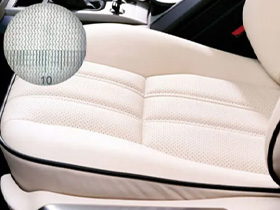
What are Automotive Fabric Standards?
Automotive fabric standards ensure the safety, durability, and performance of vehicle materials, with FMVSS 302 being one of the most important for fabric suppliers. These standards govern various factors such as flammability, tensile strength, and durability to protect passengers and ensure that the materials used can withstand the rigorous conditions inside a vehicle.
One of the key standards that automotive fabrics must adhere to is the Federal Motor Vehicle Safety Standard (FMVSS) 302, which focuses on the flammability of materials used in vehicle interiors. Ensuring that automotive fabrics pass this standard is critical for any supplier in the automotive sector.
FMVSS 302: Understanding the Flammability Standard
The FMVSS 302 is a critical standard that governs the flammability of automotive materials, including upholstery fabrics, seat covers, and trim materials. Established by the National Highway Traffic Safety Administration (NHTSA), this standard ensures that materials used in vehicles do not easily catch fire or contribute to the rapid spread of flames.
The FMVSS 302 standard is designed to minimize fire risks inside vehicles. It requires that fabrics, foams, and other materials used in vehicle interiors must have a flame propagation rate that does not exceed a certain threshold when exposed to open flame. This standard is particularly important for fabrics used in seats, headliners, and door panels.
Key Points to Understand About FMVSS 302:
● The test involves exposing a sample fabric to a flame source and measuring how long it takes for the fire to spread.
● Materials that pass the test are considered safe for automotive use, while those that fail must be modified or replaced.
● FMVSS 302 is part of a broader set of safety regulations that help protect passengers from fire hazards in the event of a crash.
Other Key Automotive Fabric Standards
In addition to FMVSS 302, there are several other important standards that automotive fabrics must meet to ensure safety and durability. Automotive fabric suppliers must be familiar with various international standards, including ISO 3795, DIN 75200, and SAE J 2271, to ensure global compliance.
1. ISO 3795: Automotive Upholstery Flammability
Similar to FMVSS 302, ISO 3795 is an international standard that measures the flammability of automotive upholstery materials. It is commonly used in regions outside the United States and is based on similar principles to FMVSS 302. Suppliers aiming to serve global markets must ensure their fabrics meet both FMVSS 302 and ISO 3795 to ensure compliance in various markets.
2. DIN 75200: Automotive Seat Cover and Interior Materials
The DIN 75200 standard, used predominantly in Europe, focuses on the flammability of automotive seat cover materials. This standard requires that fabrics not only meet specific fire resistance criteria but also pass tests for abrasion resistance and tear strength. It is essential for suppliers to ensure their fabrics meet these additional criteria, especially if they are targeting European manufacturers or markets.
3. SAE J 2271: Automotive Trim and Upholstery Durability
The SAE J 2271 standard, developed by the Society of Automotive Engineers, focuses on the durability and performance of automotive upholstery materials. This standard includes tests for tear resistance, stretch, and wear, ensuring that fabrics can withstand the harsh conditions inside vehicles. Compliance with SAE J 2271 helps fabric suppliers offer products that provide long-term performance, even in high-traffic areas of the vehicle.
Why FMVSS 302 Compliance Matters to Suppliers
Adhering to FMVSS 302 and other automotive fabric standards is not just about regulatory compliance; it also helps build trust with customers. Vehicle manufacturers, interior suppliers, and fabric converters are increasingly looking for suppliers who can consistently provide materials that meet or exceed these safety standards.
Benefits of Compliance:
-
Safety Assurance: By meeting FMVSS 302, suppliers can guarantee their fabrics will not contribute to fire hazards inside vehicles, which is critical for passenger safety.
-
Market Access: Compliance with international standards opens doors to global markets, allowing suppliers to work with OEMs and Tier 1 suppliers across the world.
-
Customer Confidence: Manufacturers and buyers are more likely to choose suppliers who can demonstrate that their materials meet high safety and performance standards.
How Qicai Knitting Meets Automotive Fabric Standards
At Qicai Knitting, we understand the importance of adhering to strict automotive fabric standards. Our team ensures that all automotive fabrics undergo rigorous testing for flammability, durability, and performance to meet the highest industry standards.
Why Choose Qicai Knitting:
-
FMVSS 302 Compliance: All of our automotive fabrics are thoroughly tested to meet FMVSS 302 and other relevant flammability standards, ensuring that they are safe for vehicle interiors.
-
High-Quality Materials: We use advanced warp knitting technology to produce durable and flame-resistant fabrics that can withstand the harsh conditions inside vehicles.
-
Customization: Whether you need fabrics for seats, trim, or headliners, Qicai Knitting offers customizable options tailored to your specific needs, ensuring that your products meet both functional and aesthetic requirements.
For example, if you're looking for fabrics for automotive tents, our fabric-for-tent range is designed to meet the highest standards of durability and fire resistance. Explore our automotive fabrics and learn how we can support your project by visiting our products.
Conclusion: Meeting Automotive Fabric Standards for Success
Understanding and complying with automotive fabric standards such as FMVSS 302 is essential for any supplier in the automotive industry. By meeting these standards, suppliers can ensure their materials are safe, durable, and ready for use in vehicles worldwide. At Qicai Knitting, we are committed to producing fabrics that not only meet these critical standards but also exceed customer expectations for quality and performance.
If you have any questions or requirements regarding fabrics, feel free to contact us, and we will provide you with professional answers!